Summer is forgiving. A tired battery still turns the engine over, thin tread still grips dry pavement, and a slow coolant leak just tops itself up in your mind. Then the temperature drops, the roads get treated, the sun sets before you leave work, and every one of those small things becomes the reason you’re standing in a parking lot at 6pm waiting for a jump.
That’s why autumn matters more here than almost anywhere. New England doesn’t ease into winter — it arrives, with salt, slush and single digits. This is the checklist we run on customer cars every fall, in the order that actually matters.
Why fall is the deadline, not a suggestion
Three things change at once, and they compound:
- Cold exposes weak parts. Batteries, belts, hoses and seals all lose margin as temperature drops. Cold doesn’t create the fault — it reveals the one that was already there.
- Salt starts working immediately. Massachusetts treats roads early and heavily. Brake lines, fuel lines, subframes and body seams all begin corroding from the first treated drive.
- You lose the daylight. Sunset in Worcester is around 4:15pm in early December. Half your driving moves into the dark, which turns dim headlights and smeared wipers from an annoyance into a real hazard.
And there’s a practical reason too: shops fill up the week of the first hard freeze. The same battery test that takes fifteen minutes in October becomes a three-day wait in January.
The eight-point fall checklist
1. Battery — the single most likely thing to strand you
Cold is brutal on batteries twice over: it reduces the current the battery can deliver, and it thickens your engine oil so the starter needs more current. At freezing a battery gives up roughly a fifth of its power; near 0°F it can be down by half — right when the engine is hardest to turn.
This is why batteries so rarely warn you. One that cranks fine in mild weather can have almost no reserve left, and the first properly cold morning finishes it. A proper load test tells you what’s actually left, and it takes minutes. If yours is over three years old, test it now rather than guessing.
2. Tires — pressure first, then tread
Air contracts as it cools. Tire pressure falls about 1 PSI for every 10°F drop in outside temperature, so a tire set correctly on an 85°F August afternoon is meaningfully low by a 35°F November morning — before any leak. Underinflated tires wear their shoulders, waste fuel, and lengthen your stopping distance exactly when traction is worst.
Then tread. Massachusetts’ legal minimum is 2/32", but that’s a failure threshold, not a safe one — wet and snow grip falls off a cliff well before you get there. The rule of thumb we use: below 4/32" you should be planning replacement before winter, not after it.
- Check pressure when the tires are cold — before driving, not after. Driving heats them and reads high.
- Use the door-jamb sticker, not the number on the tire sidewall. That sidewall figure is the tire’s maximum, not your car’s spec.
- Don’t forget the spare. It’s been quietly losing air for years.
- Quarter test for tread: insert a quarter upside down. If you can see the top of Washington’s head, you’re at or below 4/32" — time to shop.
3. Brakes — the system salt attacks first
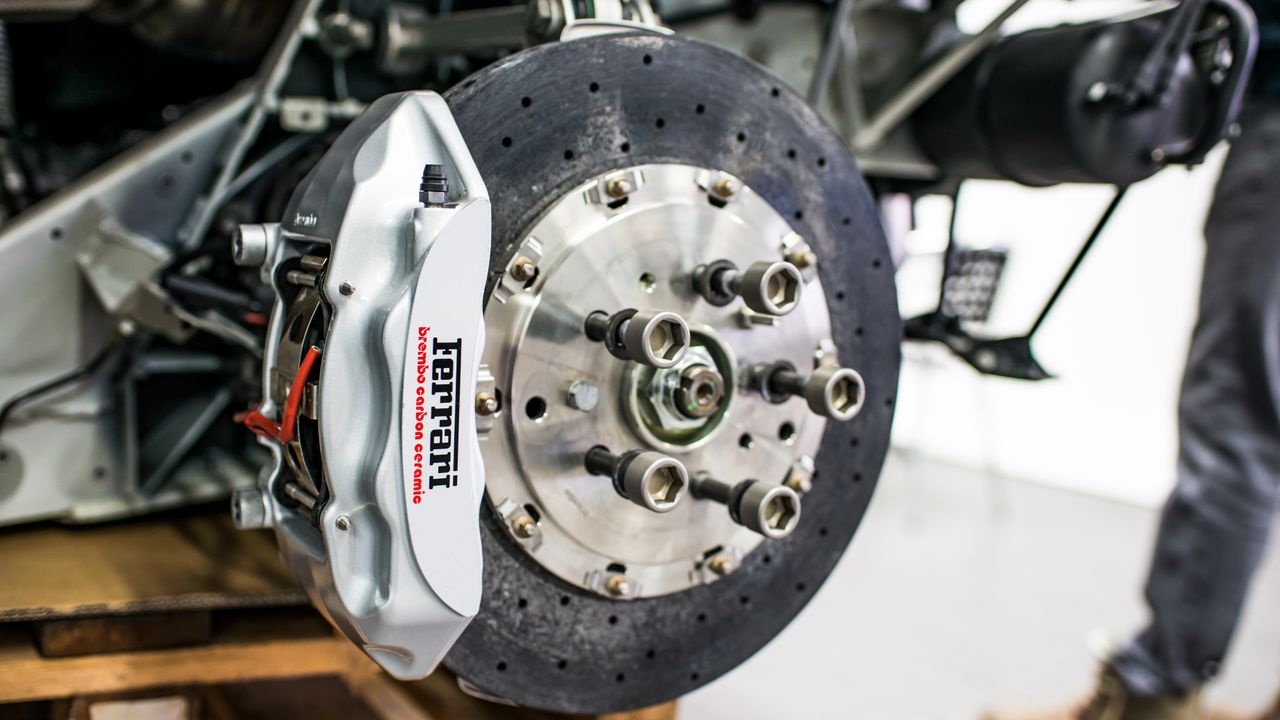
Wet, cold and salt are hard on brakes in ways dry summer driving never is. Moisture causes surface rust on rotors overnight, salt accelerates caliper slide-pin seizure, and brake fluid absorbs water from the air over time — which lowers its boiling point and, in winter, can freeze in the lines on the worst-affected cars.
A fall brake inspection is mostly about catching a sticking caliper before it cooks a pad and warps a rotor. If you hear grinding, feel a pull under braking, or the pedal has gone soft or long, get it looked at before the weather turns. Our guide on when to replace pads, rotors and fluid covers what each symptom means.
4. Coolant, heater and defroster
Antifreeze isn’t just about not freezing — it also carries corrosion inhibitors that wear out. A correct 50/50 mix protects to roughly -34°F, comfortably below anything Worcester throws at you, but a system that’s been topped up with plain water over the years may be nowhere near that.
Test the mix, check the level cold, and look at the hoses: a hose that feels mushy or crunchy is telling you it will fail, and it will pick a cold morning to do it. While you’re there, confirm the heater actually gets hot and the defroster clears the windshield quickly. Weak heat with a full coolant system often means a partially blocked heater core or a stuck thermostat — both cheap now, both miserable in February.
5. Wipers, washer fluid and lights
This is the cheapest section on the list and the one that does the most for your safety, because it’s all about being able to see and be seen in the dark half of the day.
- Wiper blades last about 6–12 months. Streaking, chattering or a torn edge means replace — a smeared windshield against low winter sun is genuinely blinding.
- Switch to winter washer fluid rated well below freezing. Summer fluid freezes in the reservoir and lines, and a frozen washer system on a salt-sprayed highway leaves you driving half-blind.
- Check every bulb — headlights, tails, brakes, indicators, reverse, plate lights. It takes two minutes with a helper and it’s an inspection item.
- Look at headlight clarity. Yellowed, hazy lenses can cut light output dramatically, and it’s an inspection item. Restoring them is far cheaper than replacing the housings — see what a headlight repair actually involves.
6. Oil — and why local driving counts as “severe”
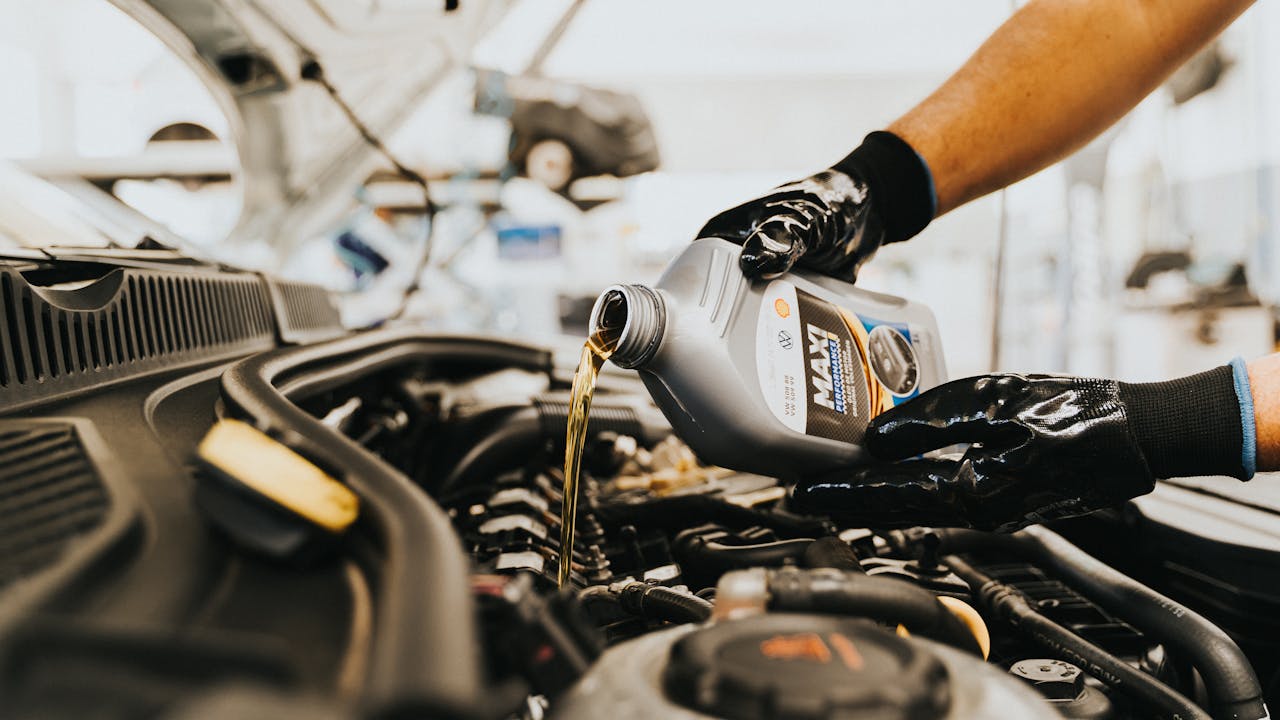
Most owners read their manual’s “normal” service interval and assume it applies. Around here it often doesn’t. Short trips in cold weather mean the engine never fully reaches temperature, so moisture and unburned fuel don’t boil off — they stay in the oil and dilute it. Most manufacturers class exactly that pattern as severe service, with a shorter interval.
If your winter driving is mostly short hops around Worcester rather than highway runs, plan on the shorter end of your range. Fresh oil of the correct grade also matters more in the cold, because thick oil is harder for a weakened battery to crank against. More detail in our engine oil guide.
7. Alignment and suspension, after pothole season
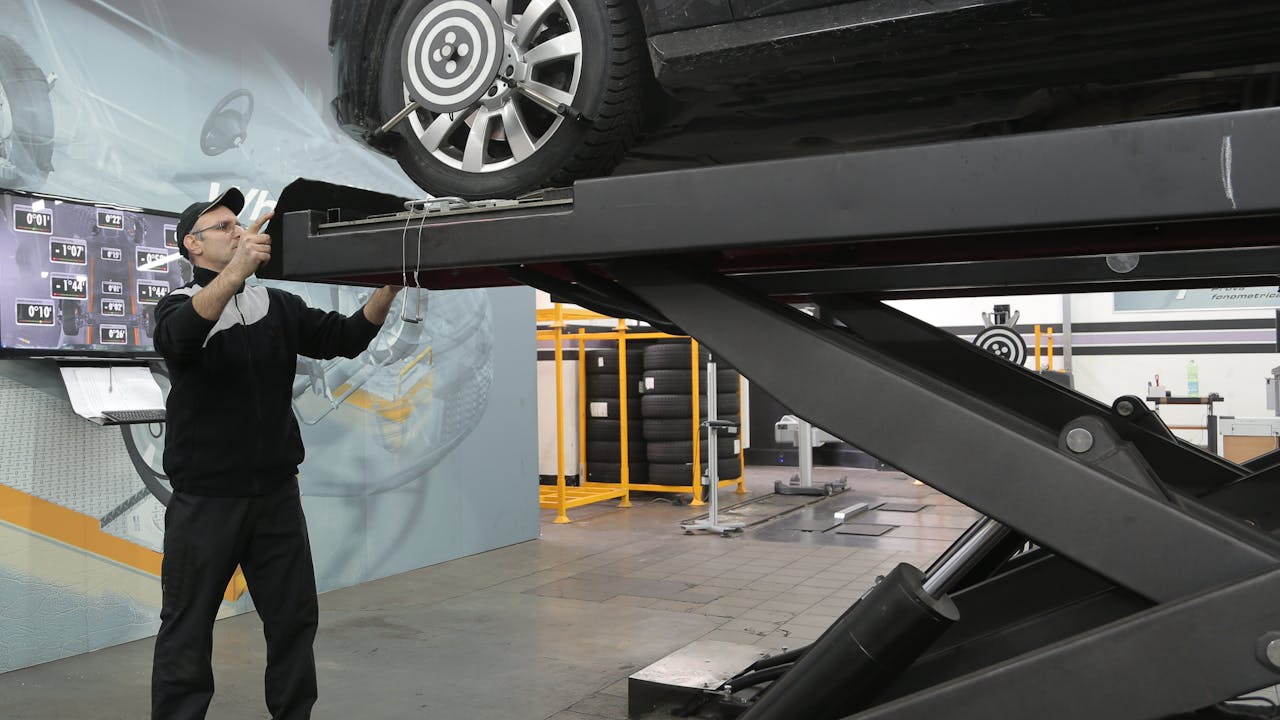
Spring leaves the roads broken, and you’ve been driving on them all summer. One solid pothole strike is enough to knock your alignment out far enough to scrub thousands of miles off a set of tires — and misalignment gets more dangerous once there’s water and ice, because a car that already pulls has less margin.
If the steering wheel sits off-centre on a straight road, the car drifts, or your front tires are wearing unevenly, get it checked before you buy winter tires — not after, or you’ll wear the new ones the same way. See why alignment matters, and for the tire swap itself, what a proper winter tire changeover includes.
8. Undercarriage and rust, before the first salt
This is the one almost everybody skips, and it’s the one that quietly writes off cars in New England. Salt doesn’t just make things look bad — it eats brake lines, fuel lines, subframes and suspension mounts, and a corroded brake line is an actual failure risk, not a cosmetic complaint.
- Wash the underbody, not just the paint. Most local car washes offer an undercarriage rinse; use it regularly through winter, and especially after a thaw.
- Get an inspection of the lines and mounts now, while anything found is still a small repair.
- Touch up paint chips before winter. Bare metal plus salt is where every rust hole starts.
- Clear the leaves. Wet leaves packed in the cowl below the windshield block drainage and back water into the cabin and heater intake.
What you can do yourself this weekend
None of this needs tools beyond a tire gauge and a coin:
- Check all four tire pressures cold, against the door-jamb sticker — then check them again after the first real cold snap.
- Do the quarter test on each tire, and look for uneven wear across the tread.
- Top up the washer reservoir with winter-rated fluid and run the wipers to see if they streak.
- Walk around the car with the lights on and have someone press the brake pedal.
- Look at the coolant level in the overflow tank when the engine is cold — never open a hot system.
- Clear leaves and debris out of the cowl vents at the base of the windshield.
- Put a scraper, gloves and a set of jumper cables back in the trunk now, not in December.
Warning signs that mean book now, not later
- The engine cranks slowly on a cool morning → the battery is already marginal and won’t survive a freeze.
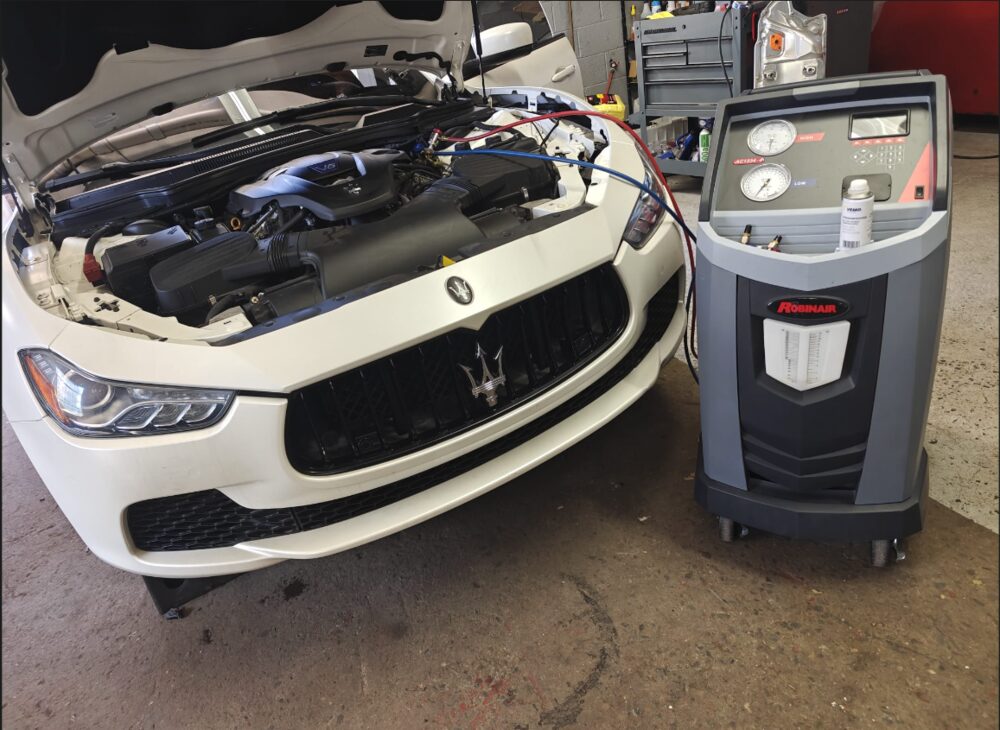
- The defroster takes a long time to clear, or fogs the glass further → A/C or heater fault, and a visibility hazard.
- A squeal or grinding when braking on damp roads → pads, or a caliper starting to seize.
- The steering pulls, or the wheel is off-centre → alignment, worth fixing before winter tires.
- The heater blows cool while the temperature gauge reads normal → likely a thermostat or blocked heater core.
- The tyre pressure light comes on as it gets colder → often just temperature, but it still needs checking, not resetting.
Get it done before the first freeze
You don’t need to book eight separate jobs. Bring the car in once and we’ll work through the whole list — battery load test, tires and pressures, brakes, coolant and heater, wipers and lights, oil, alignment and a look underneath — then tell you honestly what’s due now and what can wait until spring. No upsells; you get a written quote before anything is touched.
Book it as general repair & maintenance, or start with the specific thing that’s bothering you: brake repair, an oil change, wheel alignment, or electrical & diagnostics if you’ve got a warning light or a battery you don’t trust.
Frequently asked questions
When is the best time to get a car ready for winter in Massachusetts?
Between late September and early November. That gives you cold enough weather to reveal weak parts, but enough time to fix them calmly before the first hard freeze — and before every shop in the area books solid the week temperatures drop.
Why do car batteries die in cold weather?
Two reasons at once. Cold slows the chemical reaction inside the battery, so it can deliver much less current — roughly a fifth less at freezing, and up to half less near 0°F. At the same time, cold thickens your engine oil, so the starter needs more current than usual. A battery with little reserve left fails at exactly that moment, which is why they so often go without warning.
Do I really need winter tires in Worcester, MA?
Not legally, and good all-seasons with healthy tread handle most Worcester winters. But winter tires use a rubber compound that stays flexible below about 45°F, where all-season rubber hardens — so they genuinely stop shorter on cold, wet and icy roads. If you drive in all weather, commute early, or live on a hill, they are worth it. If your all-seasons are already below 4/32", the money is better spent on winter tires than on new all-seasons.
Why does my tire pressure warning light come on when it gets cold?
Because air contracts as it cools — pressure drops about 1 PSI for every 10°F fall in temperature. A tire that was correct in warm weather can read low enough to trigger the sensor after the first cold night, with nothing actually wrong. Reinflate to the door-jamb spec rather than just resetting the light, and if it returns quickly you have a real leak.
Should I use my air conditioning in the winter?
Yes. Your defroster runs the A/C compressor to pull moisture out of the air, which is what clears the windshield instead of fogging it. Running the system also keeps its seals lubricated so they don’t dry out and leak. A/C is a year-round safety system, not a summer luxury.
How do I protect my car from road salt?
Wash the underbody regularly through the winter, not just the paintwork — most local washes offer an undercarriage rinse, and it matters most after a thaw when salt is in solution. Fix paint chips before the season starts, and have the brake lines, fuel lines and subframe inspected in autumn so any corrosion is caught while it is still a small repair.
What should I keep in the car for a New England winter?
An ice scraper and snow brush, gloves, jumper cables or a jump pack, a torch, a blanket, and a small bag of sand or grit for traction. Put them in before you need them — the morning you are stuck is the wrong time to discover the scraper is in the garage.