A used car is the second largest purchase most people make, and it is routinely done with less inspection than a phone. The whole point of a pre-purchase inspection is to spend a small, known amount to avoid an unknown one.
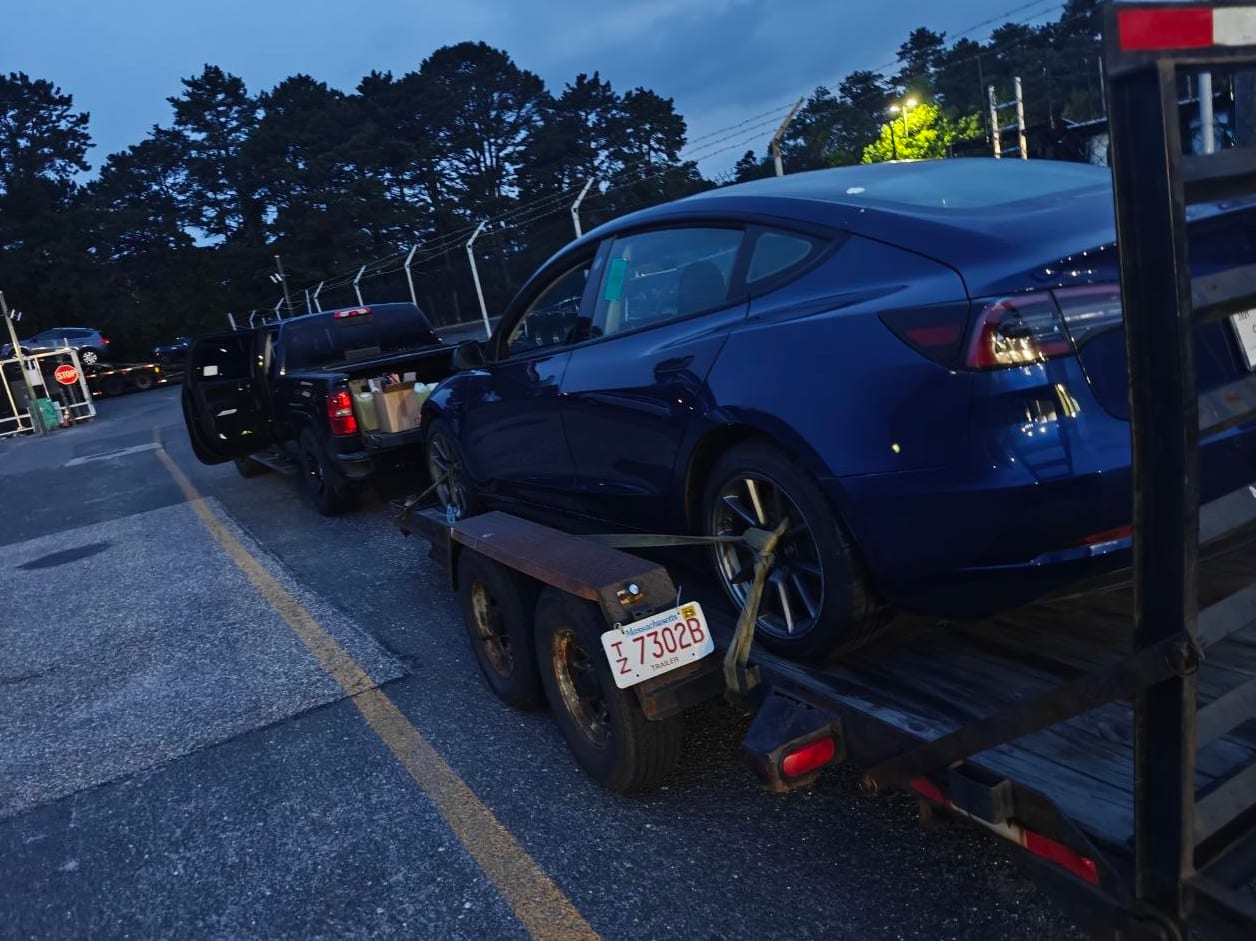
Ours starts from $199. Two practical things before anything else. First, the car has to come to us — we do not do mobile inspections. The factory diagnostic tooling and the lift are here, and a meaningful share of what we find is only visible with the car in the air. Second, the inspection is the same whether the seller is a dealer or a private party, and whether you end up buying the car or not. You are paying for the answer, not for a particular answer.
What we actually check
On the lift
- Underbody corrosion — frame, subframe, rockers, and especially brake and fuel lines. This is a New England inspection, and rot is the thing that quietly ends cars here.
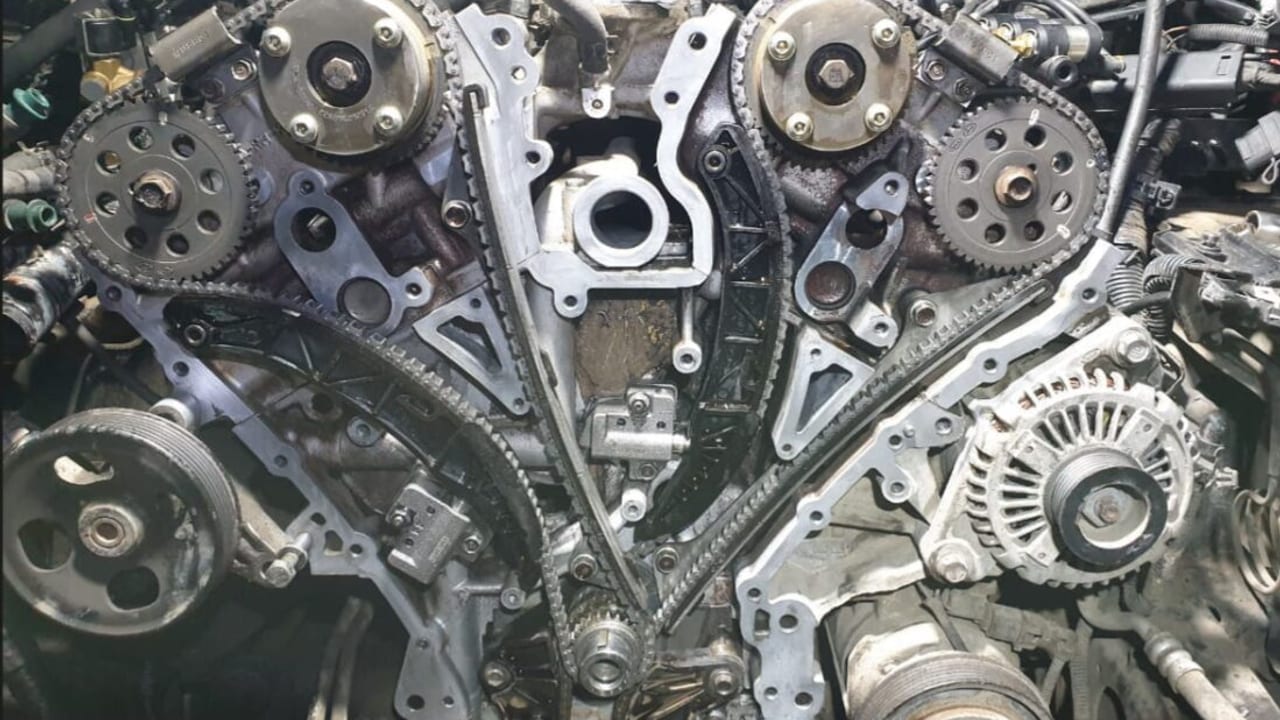
- Leaks — engine, transmission, differential, cooling system, power steering, and shock absorbers. We say what is seeping and what is actually leaking, because they are not the same conversation.
- Suspension and steering — ball joints, bushings, tie rods, control arms, struts. Play, movement, and anything already knocking.
- Brakes — pad and rotor measurements rather than a glance, plus lines, hoses and calipers.
- Tyres — tread depth across the width of each tyre, age from the date code, and whether the wear pattern is telling us about an alignment or suspension problem the seller has not mentioned.
- Exhaust and heat shields, mounts, and anything that has been repaired rather than replaced.
On the tooling
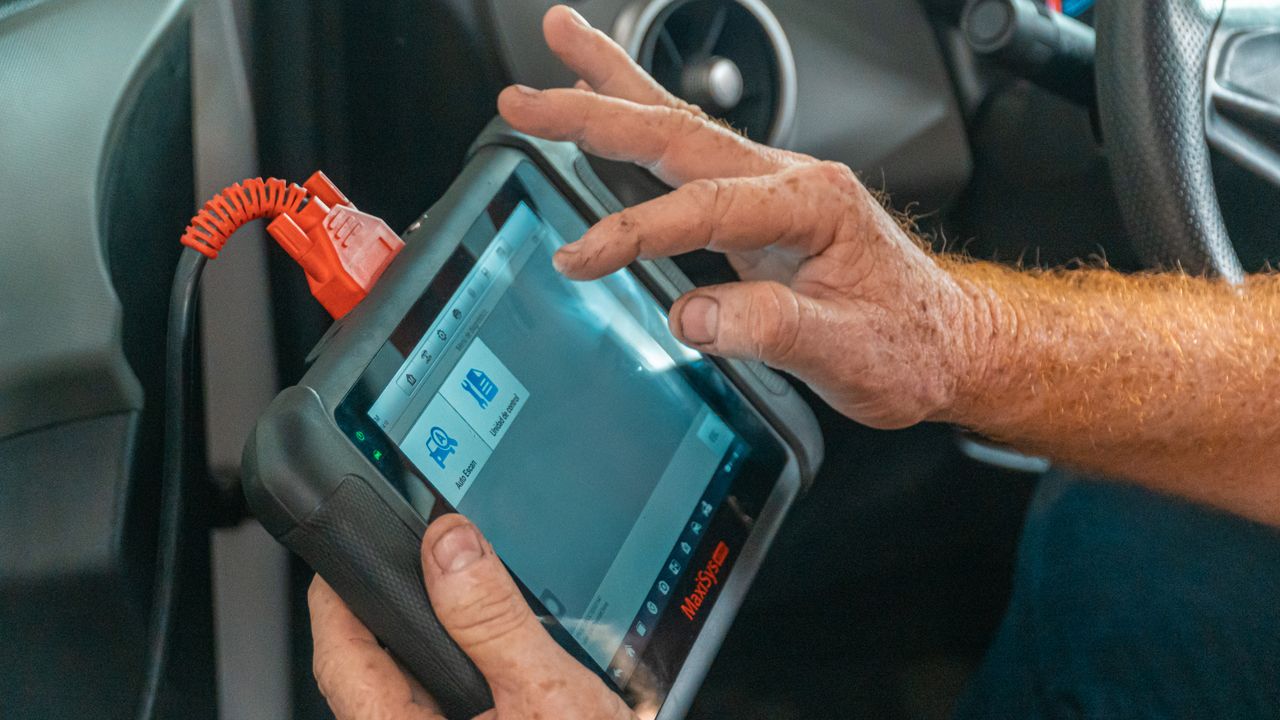
- Stored and pending fault codes across every module, not just the engine. Pending codes are the ones that have not lit a light yet.
- Readiness monitors — if they have all been reset very recently on a car that is for sale, that is worth knowing. See the note below.
- Live data where it matters — fuel trims, misfire counters, temperatures.
- Service history in the car where the manufacturer records it, which is often more honest than the folder of receipts.
- Battery and charging system condition on a conventional car.
On the road and in the seat
- Cold start behaviour, idle quality, and anything audible before the engine warms up and hides it.
- Gearbox behaviour through the range — shift quality, flare, shudder. Our guide on “lifetime” transmission fluid covers what we are listening for.
- Brake feel, pulling, vibration, and steering centring.
- Electrics, air conditioning, heat, windows, and the equipment people forget to test until winter.
- Evidence of accident repair — panel gaps, paint texture, replaced fasteners, overspray.
Buying a used EV? The inspection is a different job
On a petrol car the engine and gearbox are the expensive unknowns. On an electric car there is one component that dwarfs everything else, and you cannot see it from the driver’s seat.
A battery state-of-health check is the single most valuable thing in an EV pre-purchase inspection. Two identical cars with identical mileage can have meaningfully different remaining capacity depending on how they were charged and how they were driven. The dashboard range estimate will not tell you this — it is a rolling average of recent driving, not a measurement of the pack.
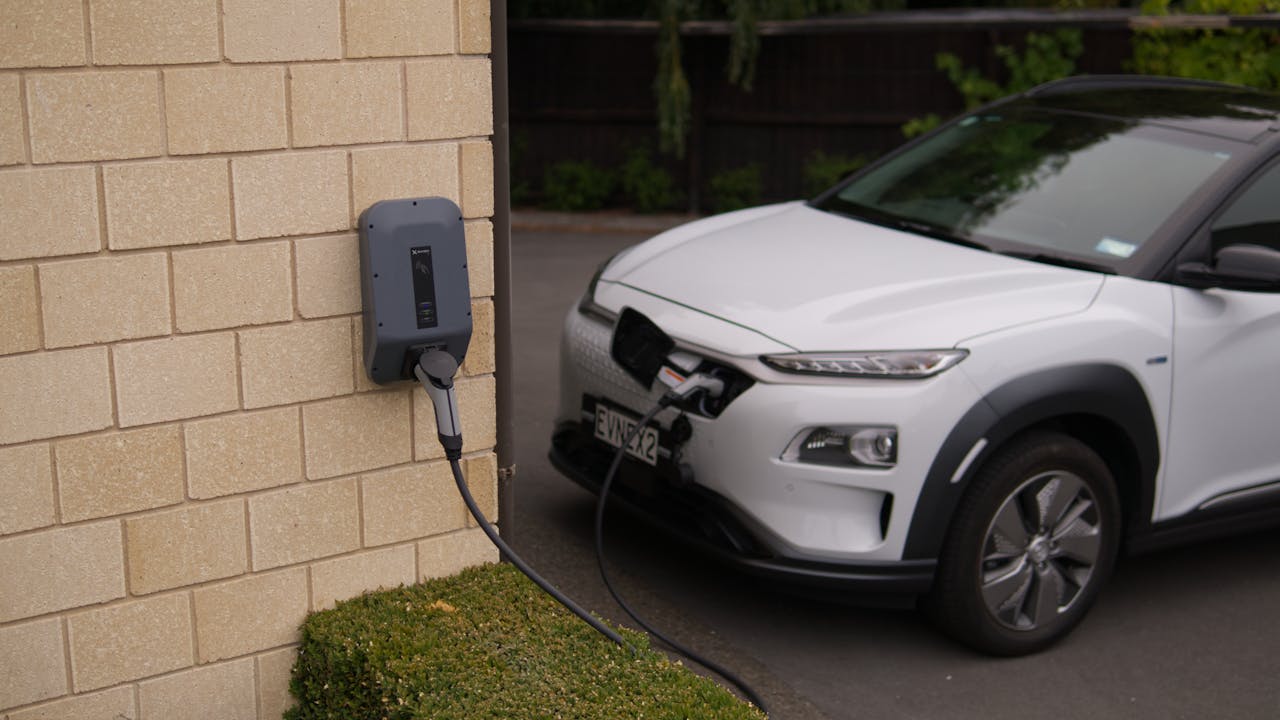
We also look at charging system behaviour, the thermal management system, and the high-voltage cabling — and we have a documented case of exactly why that last one matters, where a chafed cable that had not worn through yet would have looked like nothing at all on a test drive. Our EV battery health check guide explains how the testing works.
What we find most often
- Deferred maintenance the seller has priced as “it just needs a service.” Usually it needs several.
- Brake and fuel line corrosion on anything that has spent six or more winters here.
- A pending code for something that has not lit the light yet but will within a few thousand miles.
- Tyres that look fine from the outside edge and are worn out on the inside, which means a suspension or alignment issue comes with the car.
- Accident repair that was not disclosed — not always serious, but always worth knowing before you agree a price.
- Fluid that has never been changed on a car whose manufacturer said it never needed to be.
Most of these do not mean “don’t buy it.” They mean you now know what the car will cost you in the first year, and you can either negotiate with that or walk away on purpose rather than by accident.
How to get the seller to agree
Since the car has to come to us, this is the practical hurdle, and it is smaller than people expect.
With a dealer, asking for a pre-purchase inspection at an independent shop is completely normal and most will agree. Some will offer their own inspection instead; that is not the same thing and it is worth saying so politely.
With a private seller, offer to meet at our address at a time that suits them and be straightforward: you are serious about the car and you want it checked before you hand over the money. Most reasonable sellers understand that an inspected car sells faster.
Booking one
Call ahead rather than turning up — a pre-purchase inspection needs a bay and a block of time, and the whole point is that it does not get rushed. Tell us the year, make and model when you book, because an EV, a European car and a ten-year-old pickup are three different inspections.
You get the findings in plain language: what is wrong, what it will cost, what can wait and what cannot. If we think the car is a good buy, we will say that too. And if you buy it and bring it back for the work, that work carries our 12-month / 12,000-mile warranty on parts and labour, whichever comes first.
Frequently asked questions
How much does a pre-purchase inspection cost?
Ours starts from $199. The final figure depends on the vehicle — an EV, a European car and an older truck are not the same inspection.
Can you come to the seller to inspect the car?
No. We do not do mobile inspections — the car has to come to us at 209 Stafford Street, Worcester. The factory diagnostic tooling and the lift are here, and a significant share of what we find is only visible with the car in the air.
What if the seller will not bring the car?
Then you have learned something valuable for free. A seller with nothing to hide has no reason to refuse an independent inspection, and an inspected car sells faster. If they will not agree, walk away and keep your money.
Do I need a different inspection for a used electric car?
Yes, and the priorities change completely. The battery state-of-health read is the most valuable single measurement, because two identical cars with identical mileage can have meaningfully different remaining capacity. The dashboard range estimate will not tell you this — it reflects recent driving, not the condition of the pack.
Will you tell me whether to buy the car?
We will tell you what we found, what it will cost, and what is urgent versus what can wait. If the car looks like a good buy we will say so. The decision is yours, but you will be making it with real numbers.
Do I still pay if the car turns out to be bad?
Yes — you are paying for the inspection, not for a particular verdict. That is exactly the point: a $199 inspection that stops you buying a car with a rotten subframe has done its job better than one that says everything is fine.