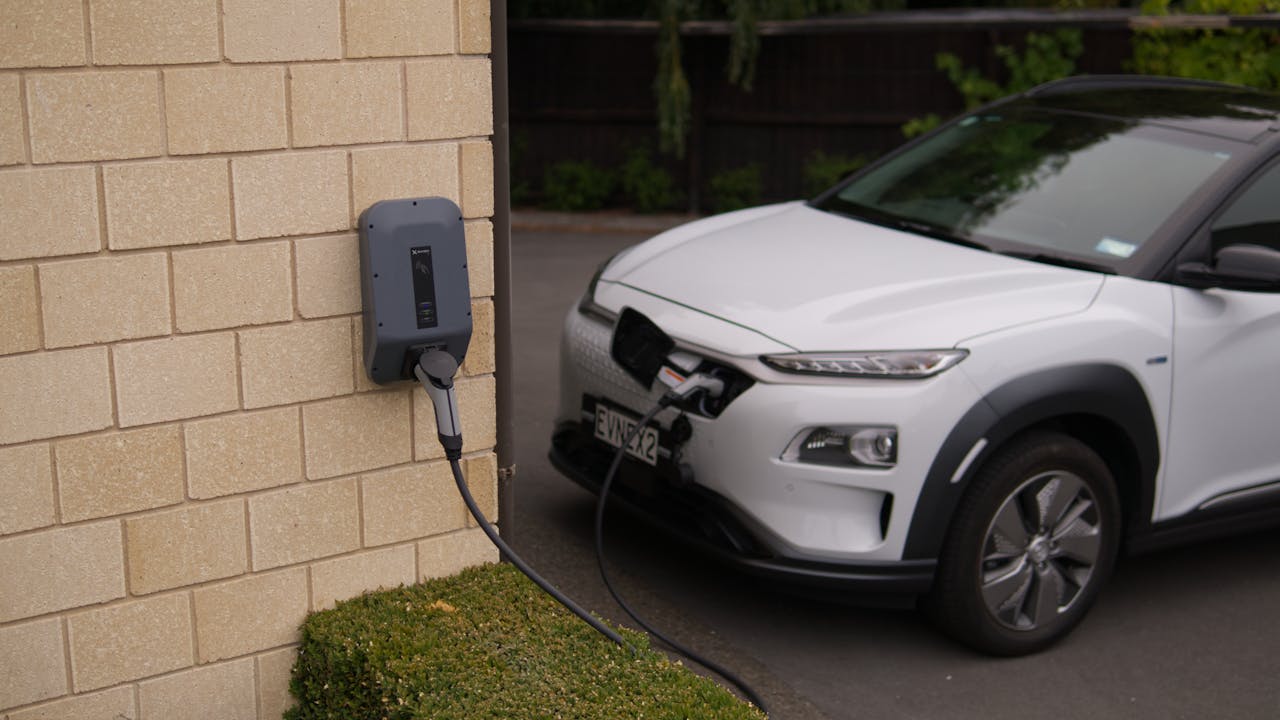
An EV or hybrid battery health check is a diagnostic that measures your battery’s true state-of-health (SoH) — its real usable capacity compared to when it was new — along with the condition of individual cell groups. It’s the single most useful test for any electric or hybrid vehicle, and it’s worth doing periodically because the battery is by far the most valuable component in the car. Here’s what we actually check and why it matters.
Why your dashboard range isn’t enough
The range number on your dash is an estimate based on recent driving, and it’s easily skewed by weather, terrain, and your habits. It won’t tell you if one cell group is weakening or if degradation is starting to accelerate. A proper health check reads the battery management system (BMS) directly for the real picture.
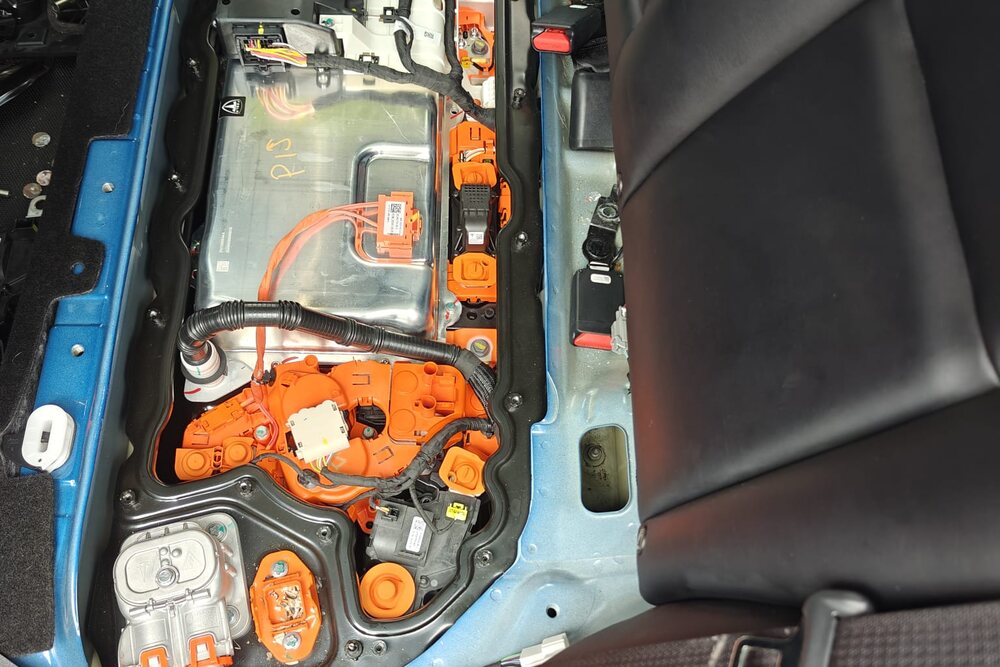
What we measure in a battery health check
- State-of-health (SoH) — usable capacity now versus when the pack was new.
- Cell and module voltage balance — to spot weak or failing groups early.
- Charging system and onboard charger behavior — including AC and DC charging.
- Thermal management — coolant condition and how the pack handles heat.
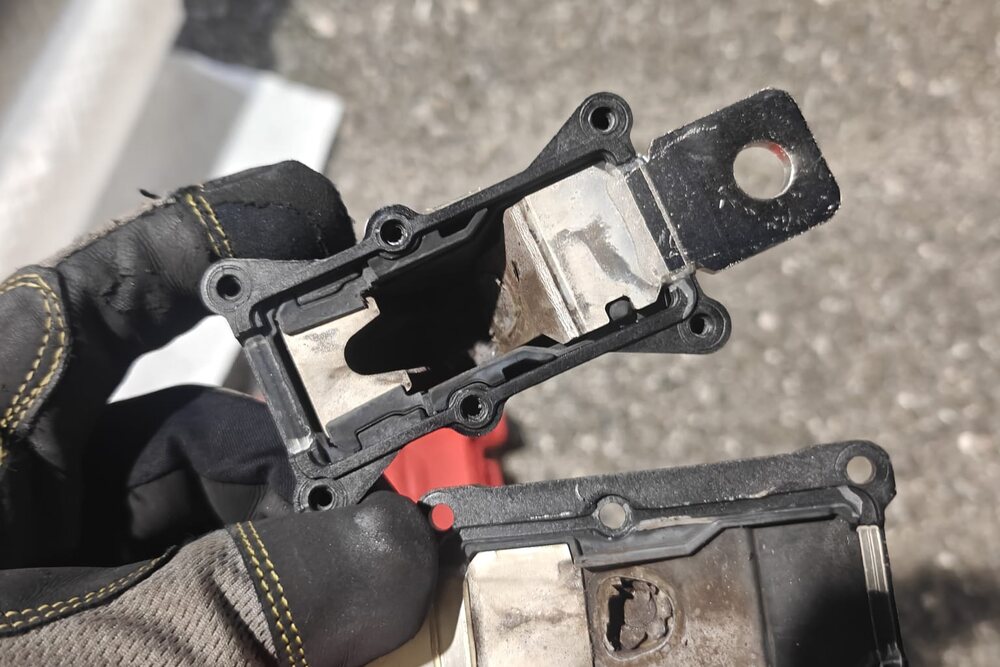
- Stored high-voltage fault codes that the dash light never explains.
Why it’s worth doing periodically
- Catch degradation early — sometimes while you’re still inside the battery warranty, turning a five-figure repair into a covered claim.
- Protect resale value — a documented SoH report is gold when you sell.
- Buy a used EV with confidence — verify the pack before you commit.
- Peace of mind — confirm whether a sudden range drop is a real fault or just the weather.
How we do it safely
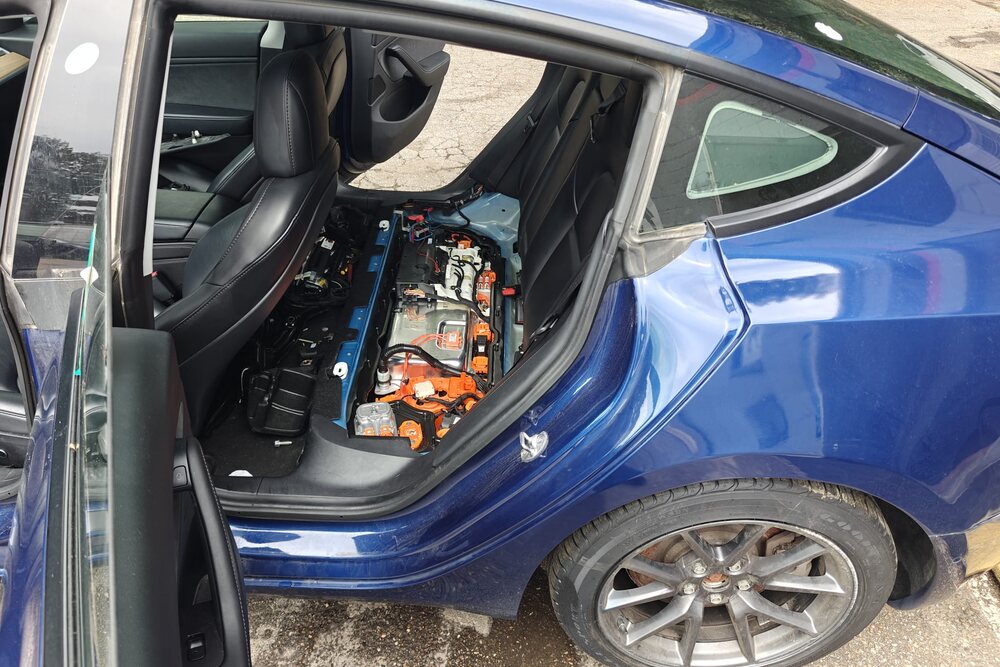
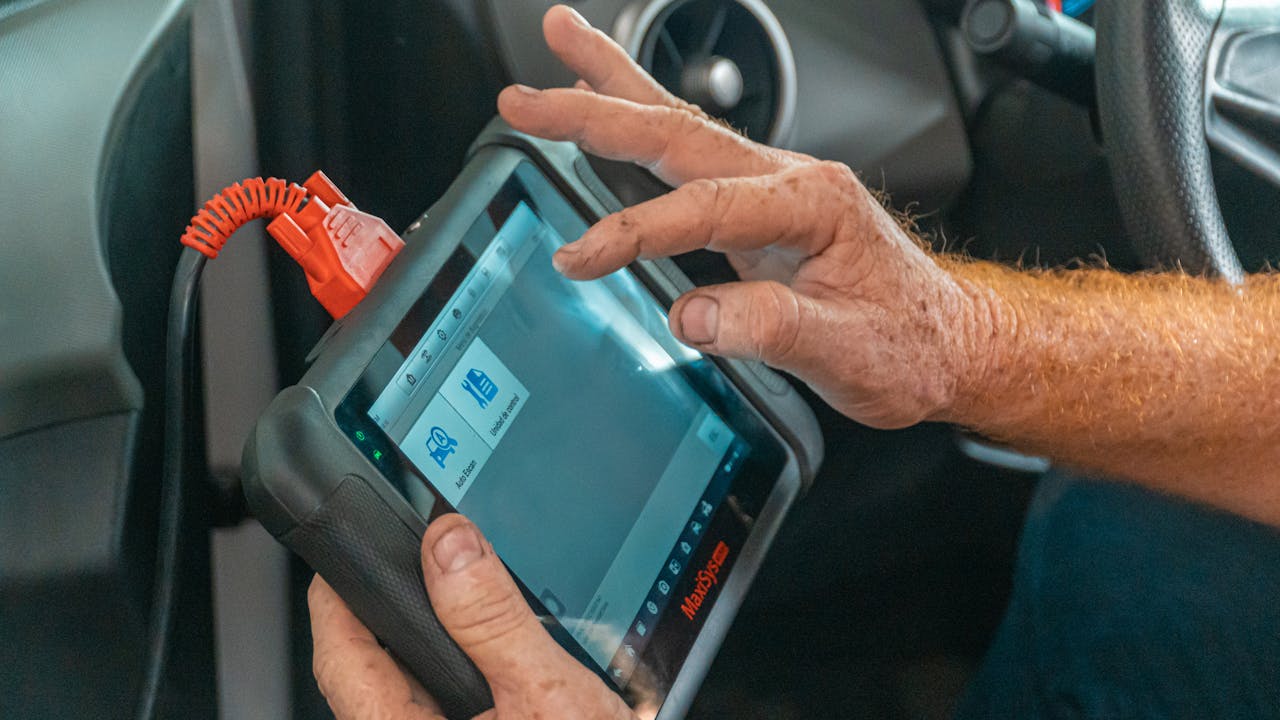
High-voltage systems demand training and the right equipment, and our technicians are set up to read BMS module-level data safely on Tesla and most major EVs and hybrids. See our EV & hybrid service. Some battery and charging fixes also involve module programming, which we handle in-house.
Worried about winter range loss? Cold weather temporarily cuts range on every EV — a health check tells you what’s normal cold-weather behavior versus an actual battery problem, so you’re not guessing.
Frequently asked questions
How often should I check my EV battery?
About once a year is a good rhythm for most owners, plus any time before you buy or sell an EV, or if you notice a sudden, unexplained drop in range.
Is some EV battery degradation normal?
Yes. A few percent of capacity loss in the early years is normal and expected. Most manufacturers warranty the pack to retain around 70% capacity for roughly 8 years or 100,000 miles. A health check shows whether yours is aging normally.
Can you check a Tesla battery?
Yes — we test Tesla packs along with most major EV and hybrid batteries, reading the same state-of-health data that matters for reliability and resale.
Does cold weather permanently reduce my EV’s range?
No — cold temporarily cuts range while the battery is cold, then it recovers as the pack warms up. A health check tells you whether a range drop is just the weather or an actual battery issue.
Should I get a battery health check before buying a used EV?
Definitely — it’s the single most important inspection on a used EV, and the difference between a great deal and a five-figure surprise.