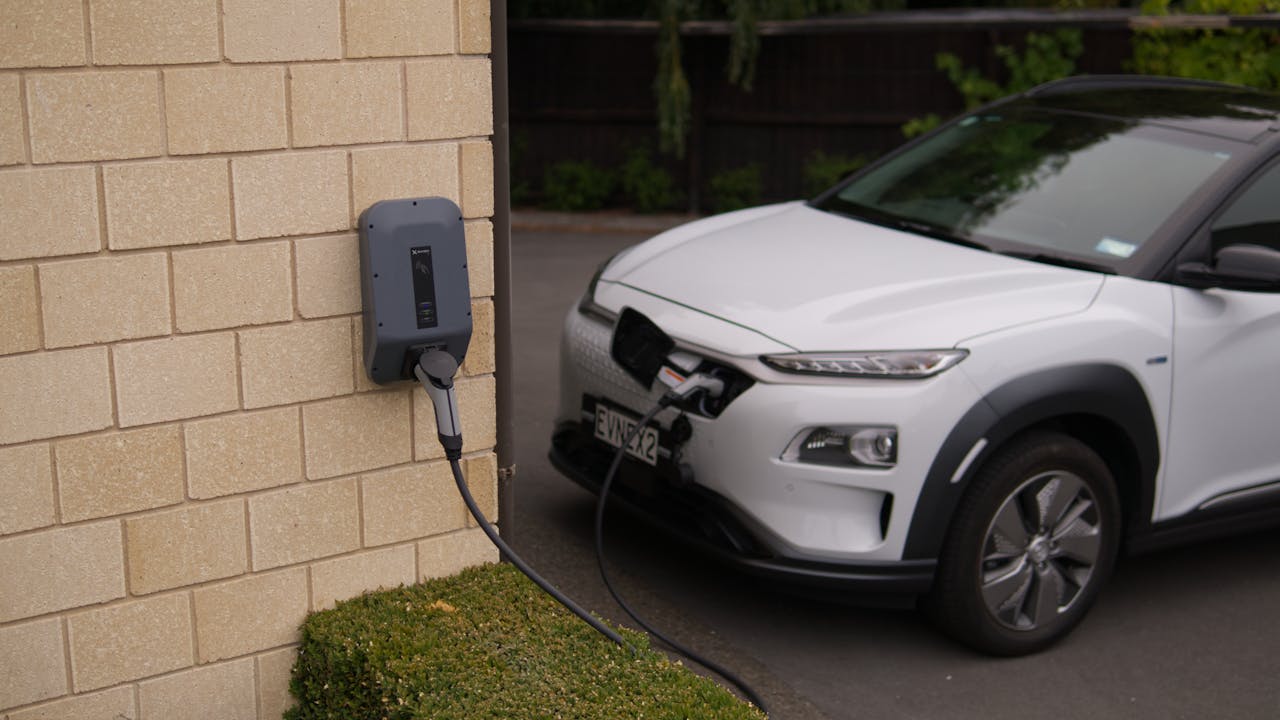
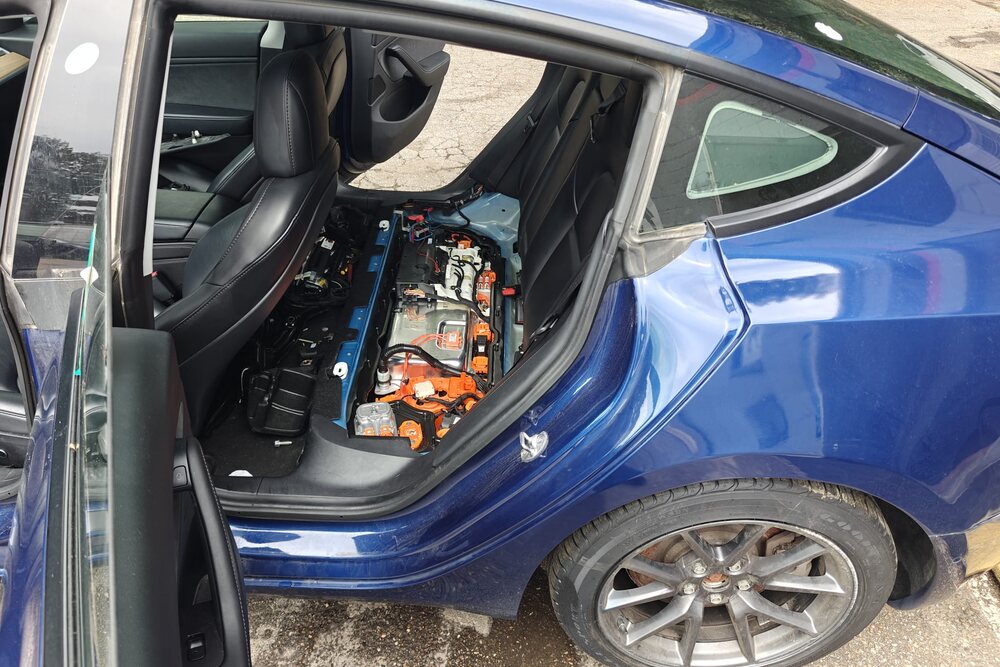
The question we get most often from Tesla owners is some version of “am I allowed to bring this here?” The short answer is yes, for most of what the car needs. The longer answer is worth having, because there genuinely are jobs that belong at a Service Center, and a shop that pretends otherwise is not doing you a favour.
So here is the honest split, from a shop that services these cars every week in Worcester.
What an independent shop can do properly
A Tesla is an unusual drivetrain wrapped in a very ordinary car. The motor and the battery are exotic. The things that actually wear out mostly are not.
- Suspension. Control arms, bushings, links, struts. On Model 3 and Model Y the front upper control arms are a known wear item and a very common source of a clunk over bumps.
- Brakes. Pads, rotors, fluid, and — more importantly in this state — caliper service. More on why below.
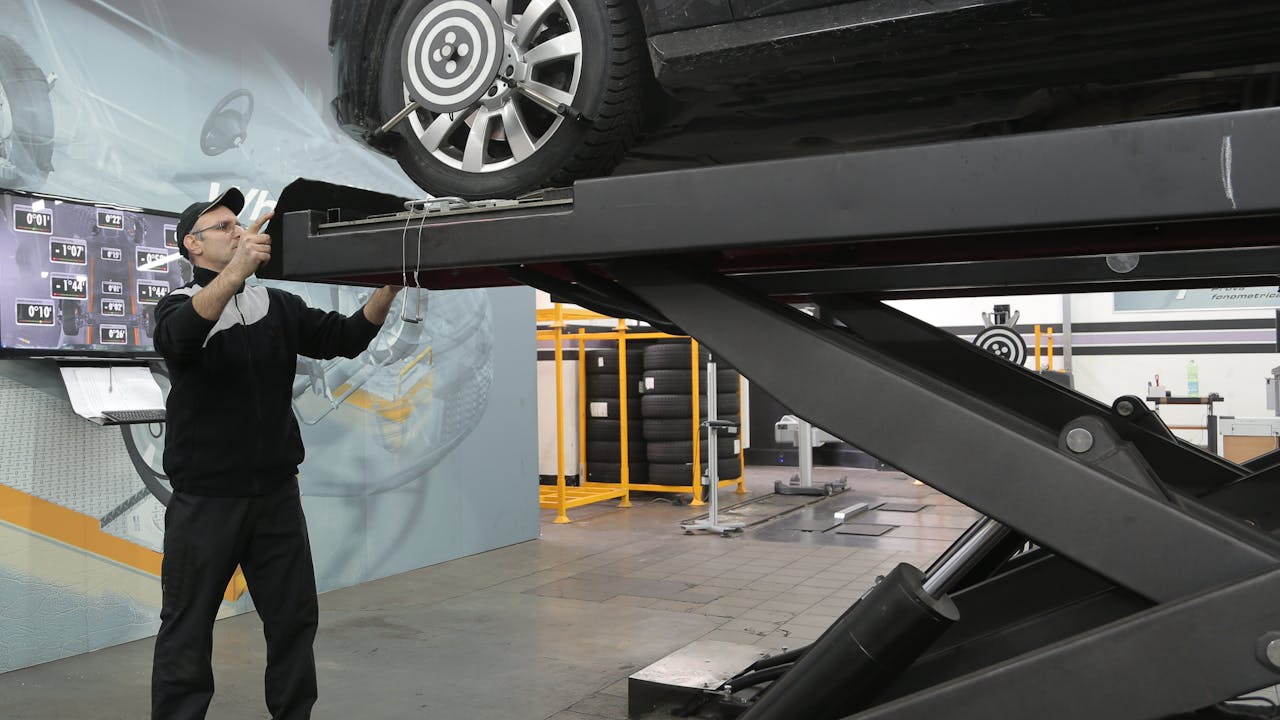
- Tyres and alignment. Mounting, balancing, and four-wheel alignment to Tesla’s specs, which are not the same as a petrol car’s.
- 12V battery. Testing and replacement, including the lithium 12V units on newer cars.
- Coolant and thermal system. The battery and drive units are liquid-cooled, and that system needs service like any other.
- Cabin and HEPA filters, wipers, washer system, lighting, and the rest of the ordinary consumables.
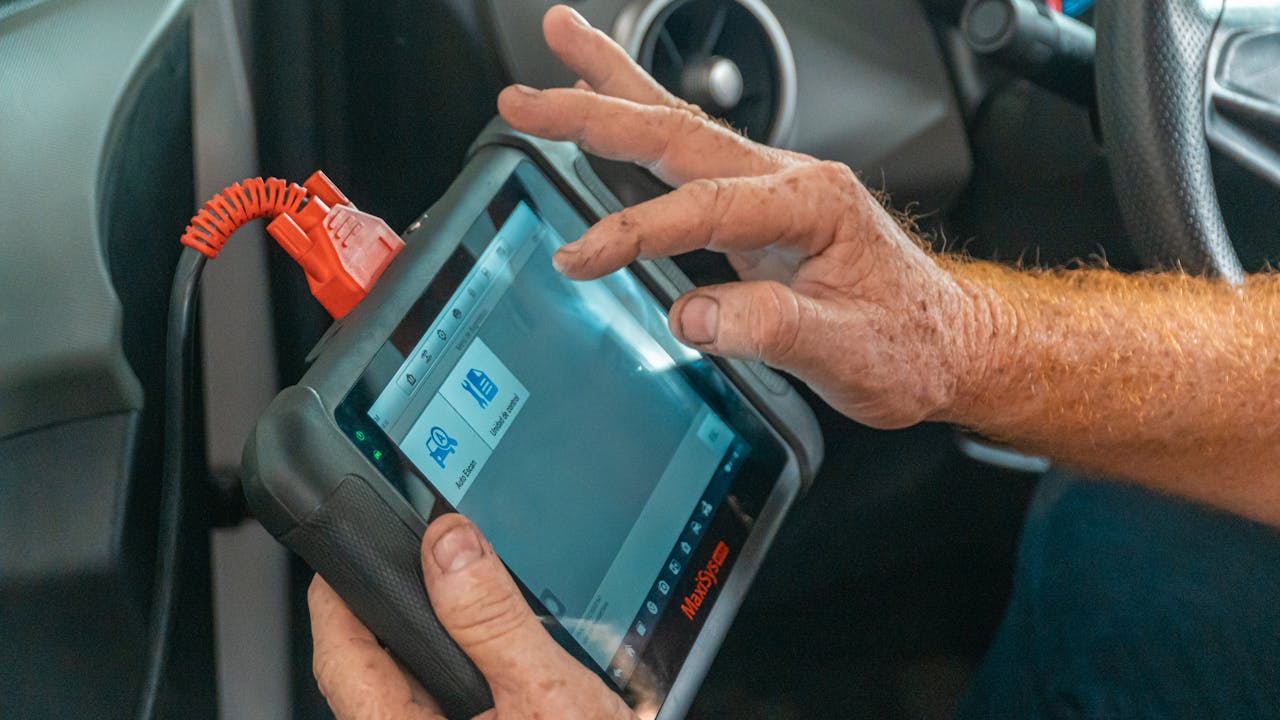
- Diagnostics. We run Tesla Toolbox 3, so we read the car’s actual fault data rather than a generic OBD scanner’s guess at it.
- Pre-purchase inspection, including a battery state-of-health read — see our EV battery health check guide.
What genuinely has to go to Tesla
We would rather tell you this before you book than after you have driven here.
- Anything under warranty. If the car is in warranty and the fault is covered, take it to Tesla. Paying us for work Tesla would do for free is a bad trade and we will say so.
- Safety recalls. These are Tesla’s to perform, full stop.
- Over-the-air software and firmware. That is Tesla’s channel, not ours.
- Work gated behind Tesla-only parts. Parts availability to independents has improved a great deal, but it is not universal. Some components we simply cannot source, and when that is the case the answer is a referral rather than a workaround.
- Structural and battery-enclosure body repair, which belongs at a Tesla Approved Body Shop.
The 12V battery: the thing that actually strands people
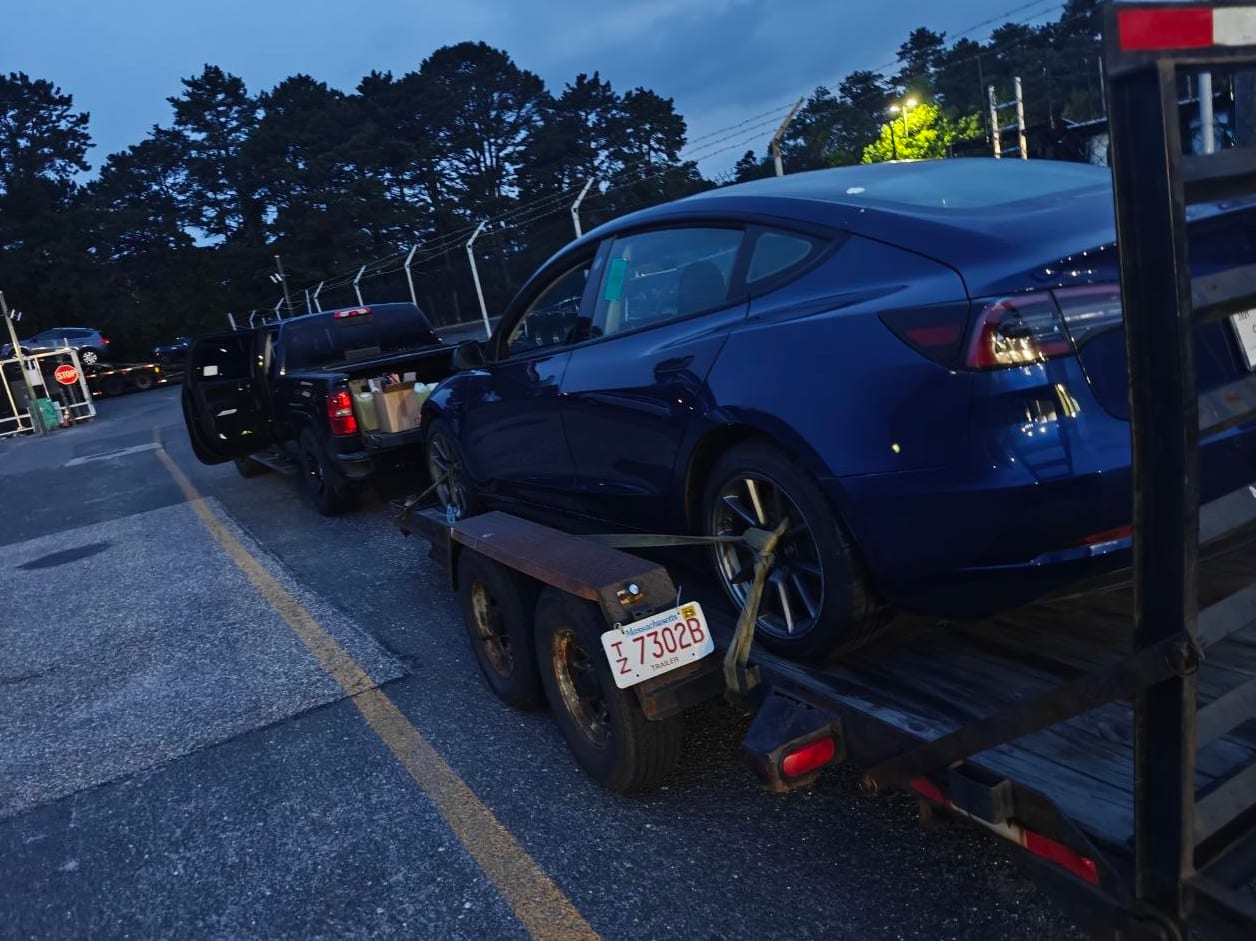
Owners worry about the high-voltage pack. In practice the component that leaves Teslas on the side of the road is the little 12V battery, which runs the door handles, the screen, the contactors and the computers. When it dies the car can be sitting on 70% high-voltage charge and still be a brick — you cannot open it conventionally and it will not wake up.
The good news is that it usually warns you. An alert on the screen, odd behaviour from the screens or door handles on a cold morning, or a car that takes a beat to wake. Older Model S and X used a conventional lead-acid 12V that typically wanted replacing every three to four years. Newer Model 3 and Y use a lithium 12V that lasts longer but is not permanent either.
This is a twenty-minute job done before it fails, and a tow plus a bad afternoon done after. If your car has thrown a 12V alert, that is not a “next month” item.
Why Tesla brakes need attention even though they never wear out
This is the most counter-intuitive part of owning an EV in New England, and the one most owners have never been told.
Regenerative braking does most of the slowing. The friction brakes get used lightly and occasionally — which sounds like a pure win, and in a dry climate it is. Here it means the pads and rotors spend five months a year being splashed with road salt and almost never getting hot enough or used hard enough to clean themselves off.
The result is corrosion rather than wear. Caliper slide pins seize, pad hardware rusts into place, and a pad can end up dragging or sticking. You can have a Tesla with 80% pad material left and a genuine brake problem, which is exactly the situation a quick visual “pads are fine” inspection misses.
Tyres, weight and the front end
A Model 3 is meaningfully heavier than a petrol saloon of the same size, a Model Y more so, and instant torque does the rest. Tyres wear faster than owners expect, and they are not cheap tyres to begin with.
Two things follow from that. First, alignment stops being a nice-to-have. A Tesla that is slightly out will scrub a very expensive set of tyres in a hurry, and pothole season here is unkind to alignment — our post on why alignment matters covers how to read the wear pattern. Second, the front suspension takes a beating, which is why those upper control arms come up so often.
If your car has developed a clunk over expansion joints or a knock at low speed over rough pavement, that is worth looking at rather than living with. It rarely gets better and it does chew tyres on the way.
What a visit here actually looks like
We plug in Toolbox 3 and read what the car is actually reporting, rather than working from a generic scanner and a guess. You get told what we found, what it means, and what it will cost before anything is touched. If the answer is “this is a warranty item, go to Tesla,” that is what you will hear — we would rather lose the job than sell you a repair you should be getting free.
Work we do carry out is backed by our 12-month / 12,000-mile warranty on parts and labour, whichever comes first. Our EV and hybrid service page covers the wider high-voltage side, and Tesla repair has the make-specific detail.
Frequently asked questions
Does servicing my Tesla at an independent shop void the warranty?
No. Under the Magnuson-Moss Warranty Act a manufacturer cannot require you to use its own service network for routine maintenance as a condition of warranty coverage. Warranty repairs themselves and safety recalls do still have to be performed by Tesla, and we will tell you when a job falls into that category.
Do you have real Tesla diagnostic tools?
Yes — we run Tesla Toolbox 3, the same diagnostic software the Service Centers use. That means we read the car’s own fault data and service procedures rather than working from a generic OBD scanner.
What Tesla work can you not do?
Anything covered under warranty, safety recalls, over-the-air software and firmware, structural or battery-enclosure body repair, and any job that depends on a part we cannot source as an independent. In those cases we refer you to Tesla rather than improvise.
How often does a Tesla 12V battery need replacing?
The older lead-acid 12V units in Model S and X typically wanted replacing every three to four years. The lithium 12V in newer Model 3 and Y lasts longer but is not permanent. If the car has thrown a 12V alert, treat it as urgent — a dead 12V can immobilise a car with plenty of high-voltage charge left.
My Tesla brake pads are barely worn. Do I still need brake service?
Very likely yes, and this catches most owners out. Regenerative braking means the friction brakes are used lightly, so in a salt state they corrode rather than wear. Seized slide pins and rusted hardware can cause a pad to drag on a car with most of its material left. An annual caliper clean and lubrication is Tesla’s own recommendation for cold, salted climates.
Can you check the health of a used Tesla before I buy it?
Yes. A battery state-of-health read is the single most important inspection on a used electric car, and we do it as part of a pre-purchase inspection along with the usual suspension, brake, tyre and fault-code checks.