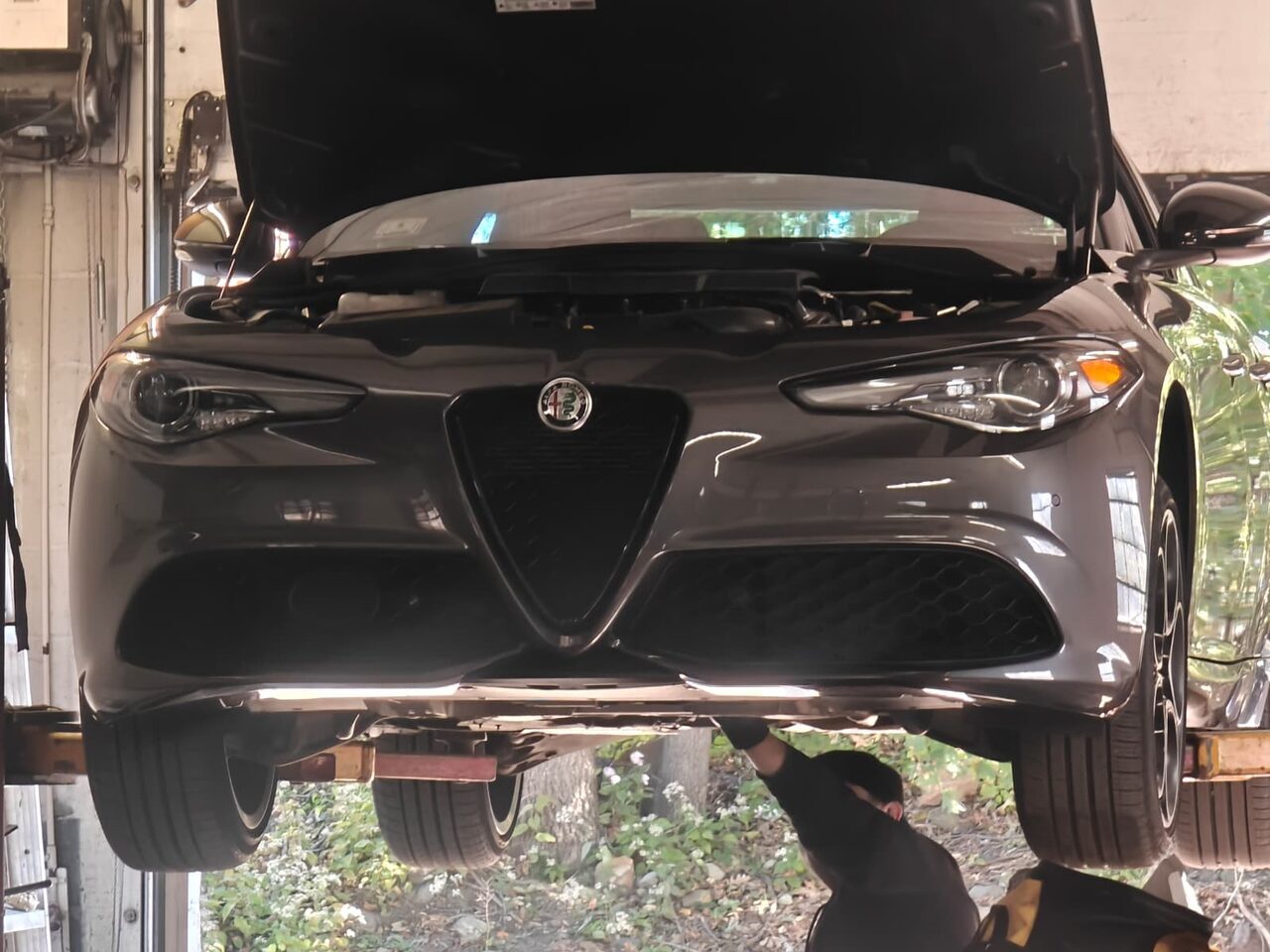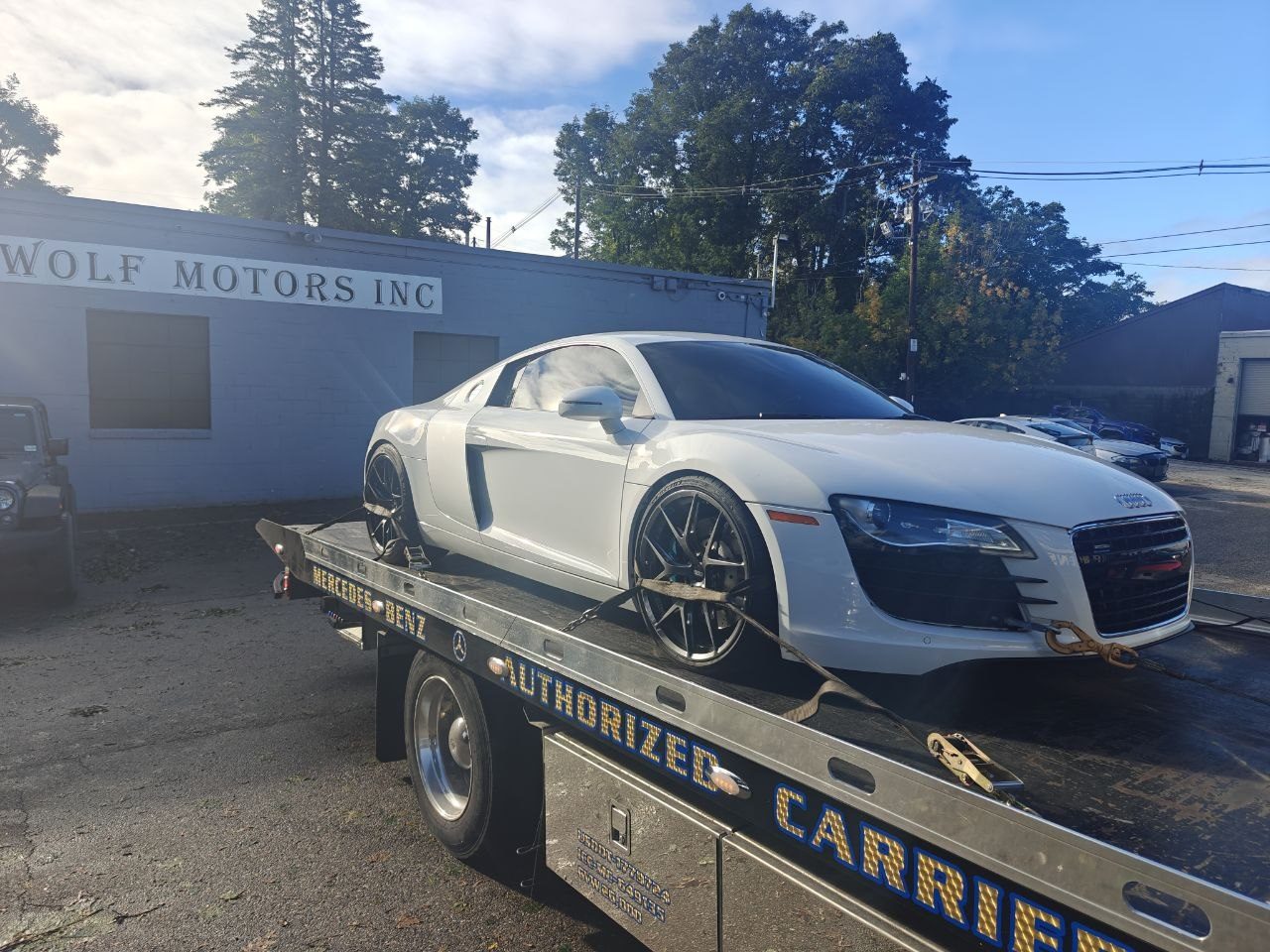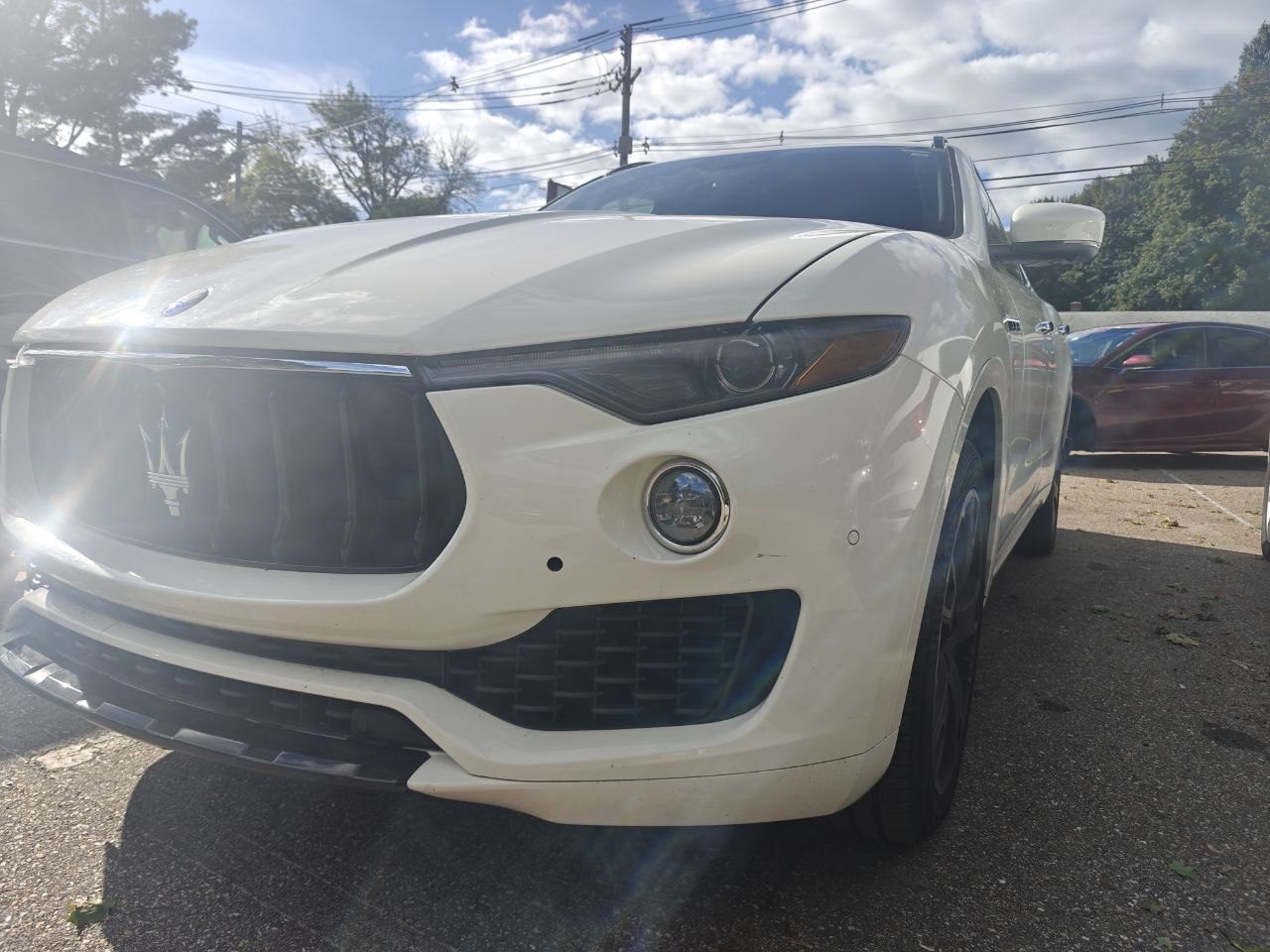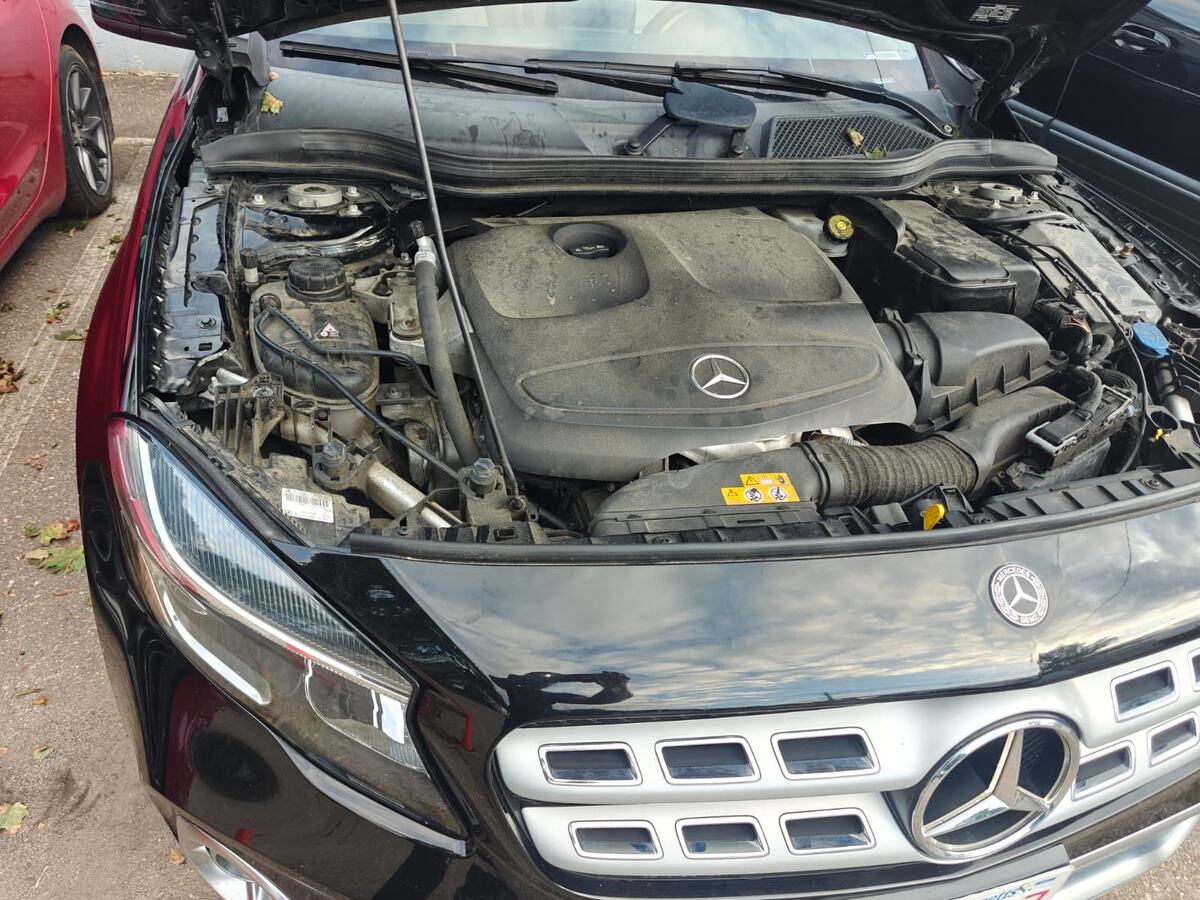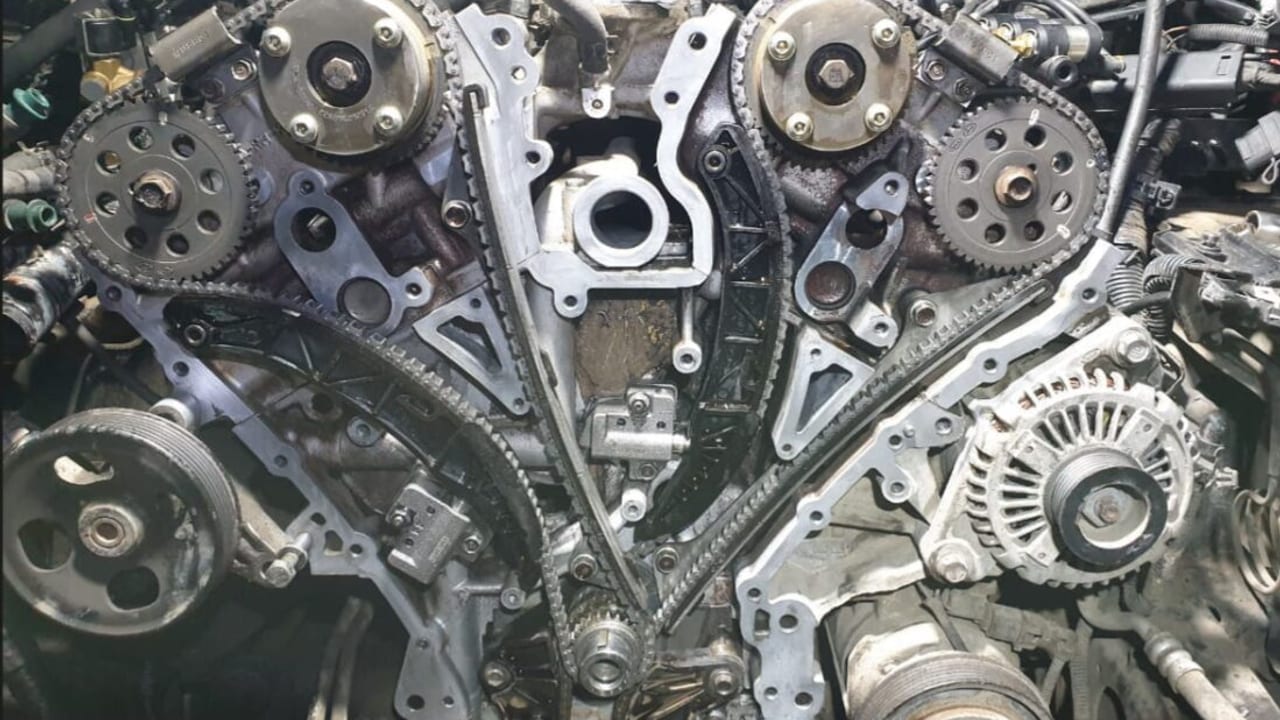
BMW, Mercedes-Benz, Audi, Volkswagen, Volvo, Porsche — European cars are precision machines, and they’re unforgiving of “close enough.” They run tighter mechanical tolerances, far denser electronics, and stricter requirements for parts and fluids than most domestic and Asian cars. That’s exactly why they reward a European specialist and punish a generic approach. Here’s what actually makes them different.
Tighter tolerances, less room for “close enough”
European engineering tends to optimize hard for performance and refinement, which means tighter clearances, more sophisticated systems, and more interdependent electronics. A small shortcut — the wrong fluid, an uncoded part, a skipped adaptation — shows up faster and costs more than it would on a simpler car.
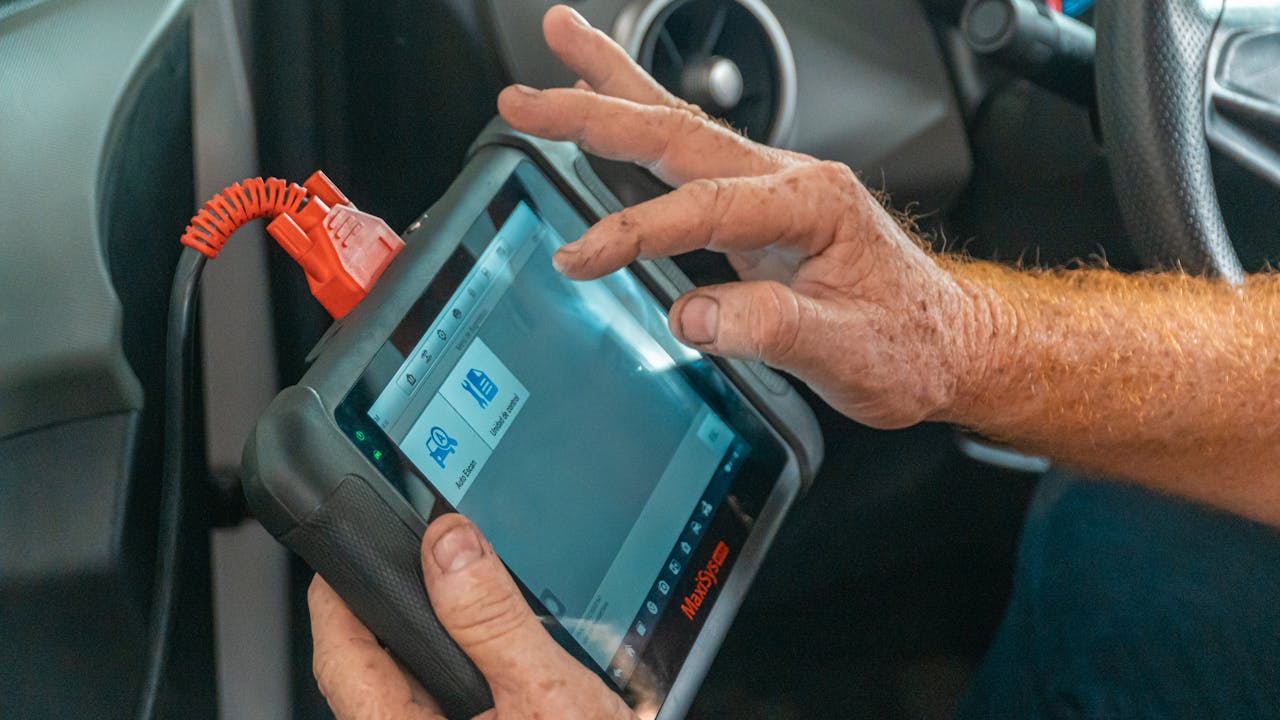
The tools: a generic scanner only sees part of the picture
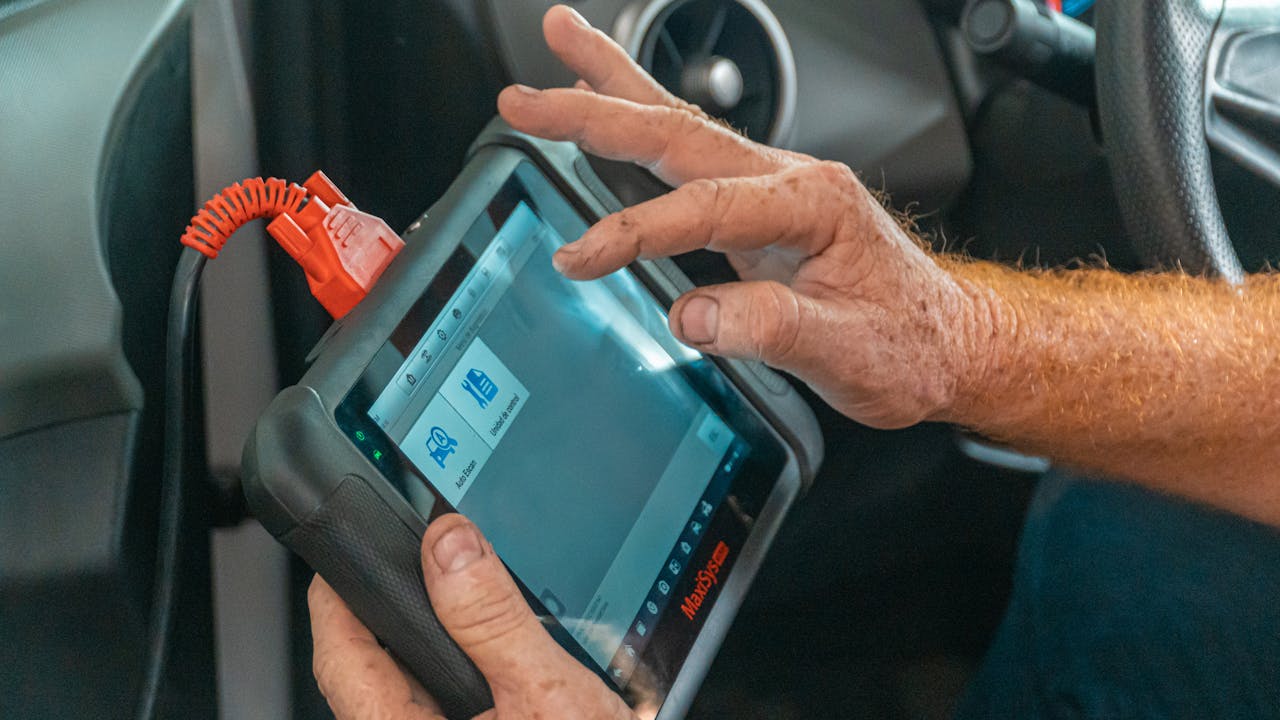
A basic code reader pulls a generic engine code and little else. European cars have dozens of control modules — engine, transmission, chassis, comfort, driver-assist — and reading them properly takes make-specific diagnostic tools and the factory procedures behind them. That’s the difference between guessing and actually knowing.
- Read and clear faults across every module, not just the engine.
- Run guided diagnostics and component tests the way the factory intends.
- Perform coding, adaptations, and service resets the car requires after a repair.
- Calibrate cameras and sensors after windshield, suspension, or alignment work.
It’s the same depth of access a dealer has, backed by our electrical & diagnostics team.
The parts and fluids are not interchangeable
European engines demand approved long-life oils to precise standards — BMW LL-04, Mercedes MB 229.x, VW 504/507 — not just any “5W-30.” The same goes for coolants, brake fluids, and transmission fluids. Using an unapproved fluid can trigger warning lights, accelerate wear, and on a car under warranty, cause real headaches.
On parts, the good news is that many top brands (Bosch, ZF, Brembo, Continental) supply the automakers directly — so quality OE-grade parts can match or beat the dealer part for less. We explain that trade-off in aftermarket vs OEM parts, and we use the right approved oils on every oil service.
The procedures: even “simple” jobs need coding
This is where European cars surprise people. Jobs that are trivial on other cars often require a software step the car expects afterward:
- A new battery usually needs to be registered/coded so the charging system manages it correctly.
- Brake jobs often require retracting the electronic parking brake and resetting wear sensors.
- Service resets and oil-life counters need to be set with the right tool.
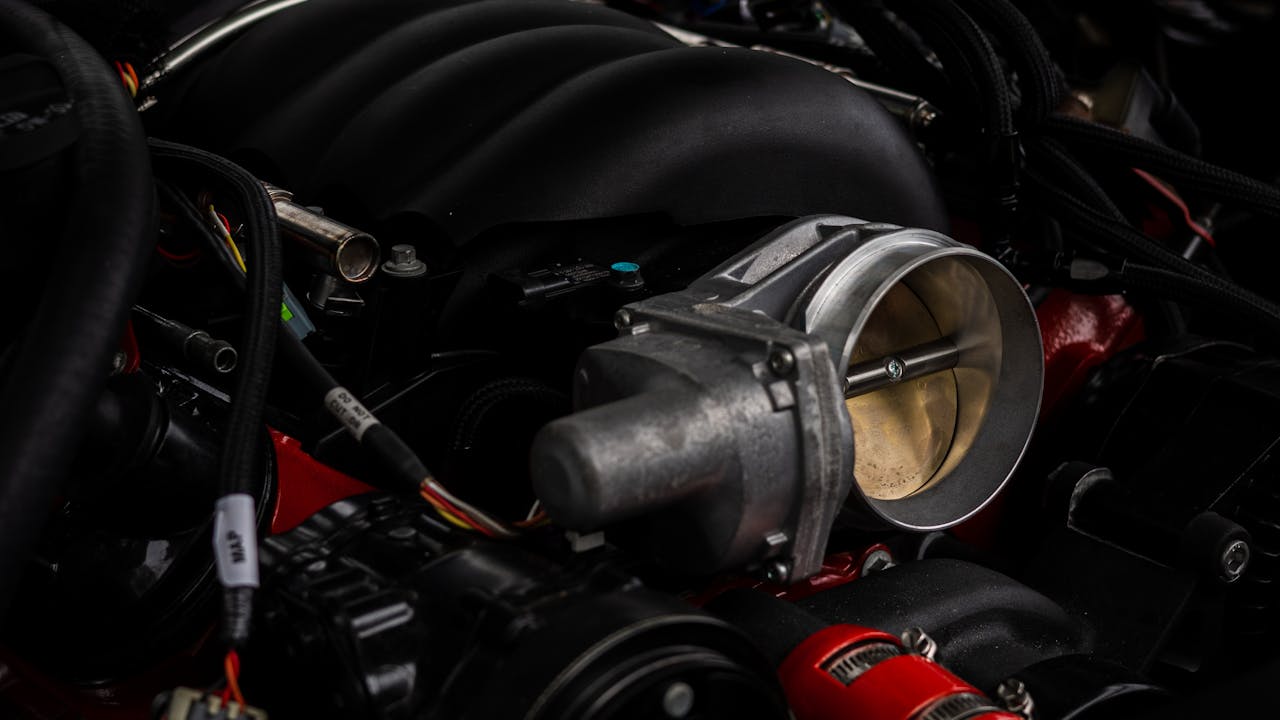
- Throttle, steering-angle, and transmission adaptations after certain repairs.
Does independent service void my warranty?
No. Under the U.S. Magnuson-Moss Warranty Act, a manufacturer can’t void your warranty just because an independent shop did the maintenance, as long as the work is done correctly with quality parts and documented. We keep full records so your history is clean.
How we handle European cars
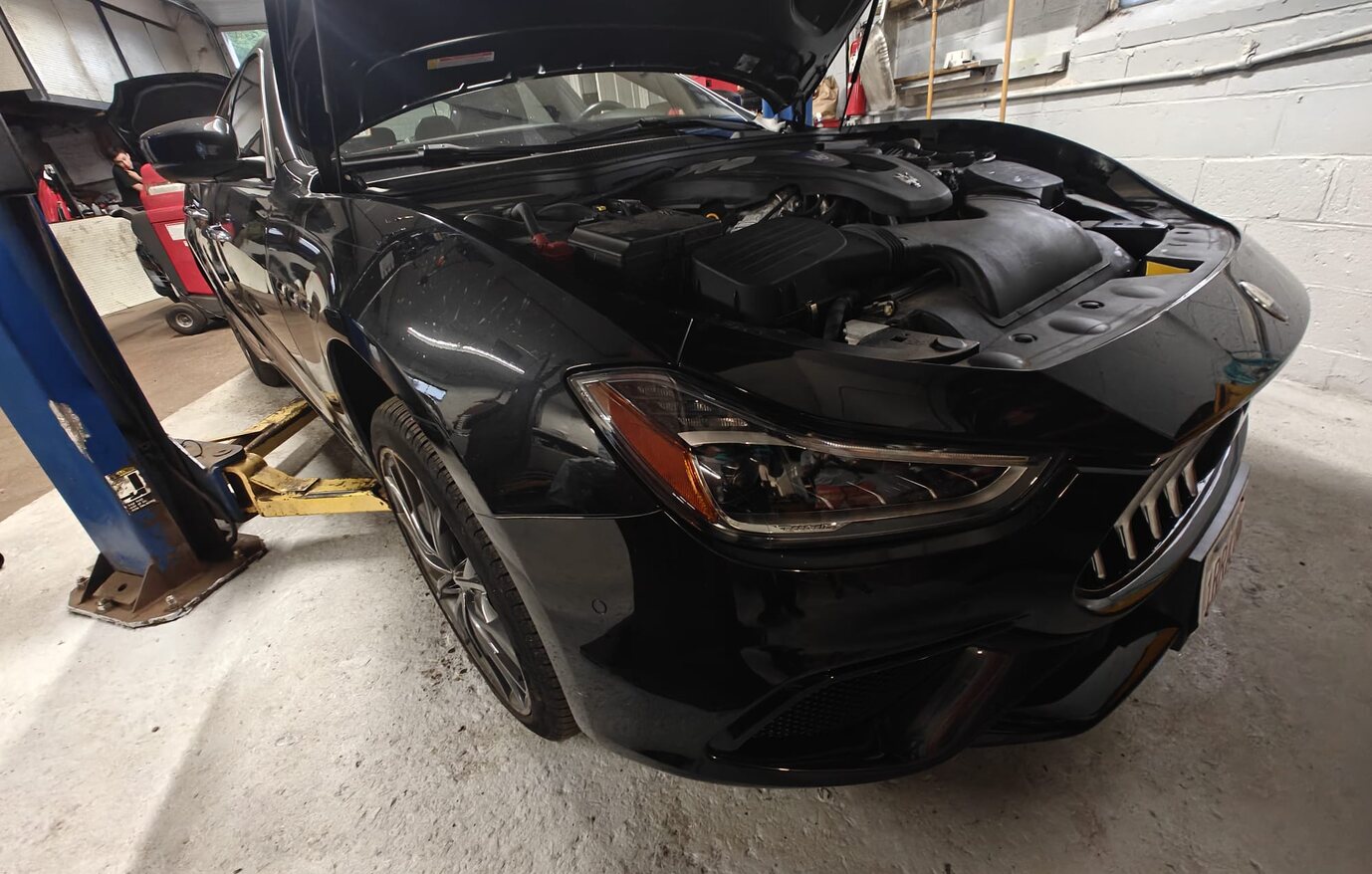
We use make-specific tooling and factory procedures, stock the correct approved fluids, source OE-grade parts, and quote everything in plain language before we touch the car — dealer-level work without the dealer wait or markup. See our European specialists service, or our ECU programming page for the software side.
Frequently asked questions
Will servicing my BMW, Mercedes, or Audi at an independent shop void the warranty?
No. The Magnuson-Moss Warranty Act protects you — a manufacturer can’t void your warranty just because an independent shop performed maintenance, provided it’s done correctly with quality parts and proper records. We keep full documentation.
Do I really need special tools for an oil change on a European car?
For the oil itself you need the manufacturer-approved specification (like BMW LL-04 or VW 504/507), and to reset the service counter you need the right tool. We stock the approved oils and reset the system properly every time.
Why does my European car need “coding” after a battery or brake job?
Many European cars expect a software step afterward — registering a new battery so the charging system manages it, or resetting the electronic parking brake and wear sensors after a brake job. Skipping it can cause faults or shorten the part’s life.
Is an independent European specialist really cheaper than the dealer?
Usually, yes. You get the same OE-grade parts and factory procedures without dealership overhead, and we explain every charge upfront. Complex jobs like timing service and oil leaks are everyday work for us.
Which European makes do you service?
BMW and Mini, Mercedes-Benz, Audi and Volkswagen, Volvo, Porsche, Land Rover, and more — service, diagnostics, electronics, and drivetrain repair with make-specific tooling.