“Aftermarket” doesn’t mean cheap, and “OEM” doesn’t automatically mean better. Many of the best aftermarket parts are made by the exact same companies that supply the automakers. The real question isn’t OEM vs aftermarket — it’s which specific brand and quality tier is right for your car and budget. Here’s how we decide.
What “OEM,” “OE,” and “aftermarket” actually mean
- OEM — Original Equipment Manufacturer: the part sold in the carmaker’s box, at the carmaker’s price.
- OE / OES — the same part from the same supplier, just sold without the carmaker’s branding.
- Aftermarket — made by third parties, ranging from premium (often better than OEM) down to bargain economy parts.
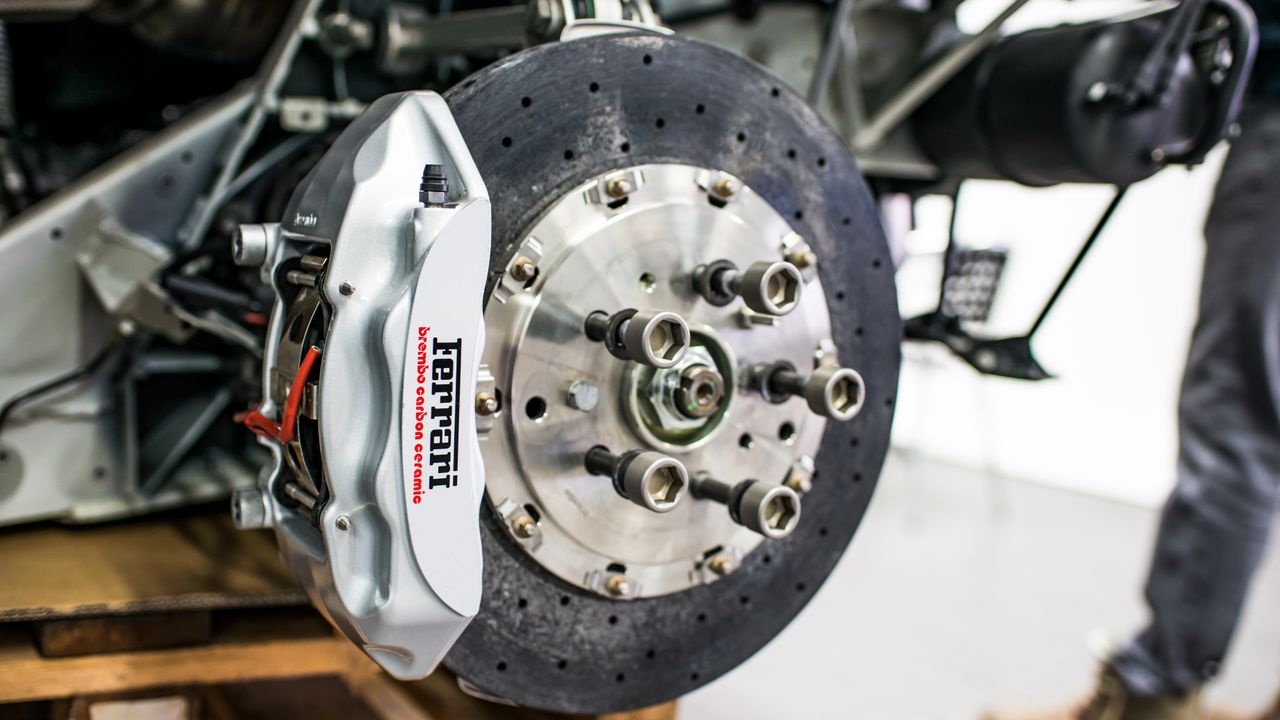
Companies like Bosch, Brembo, Denso, Continental, ZF, and Bilstein build parts for the automakers and sell them on the aftermarket. A “Bosch” sensor or a “Brembo” rotor isn’t a downgrade from OEM — in many cases it is the OEM part.
When OEM is worth the premium
- Complex electronics and modules — anything we have to program or code.
- Safety- and fitment-critical parts where exact tolerances matter.
- Vehicles still under manufacturer warranty, where documentation matters.
- The handful of systems where aftermarket simply has a poor track record.
When quality aftermarket is the smart choice
For many wear items, a top-tier aftermarket brand equals or beats OEM for less money:
- Brakes — premium aftermarket pads and rotors are often quieter, lower-dust, and longer-lasting than the soft OEM pads. See brake repair.
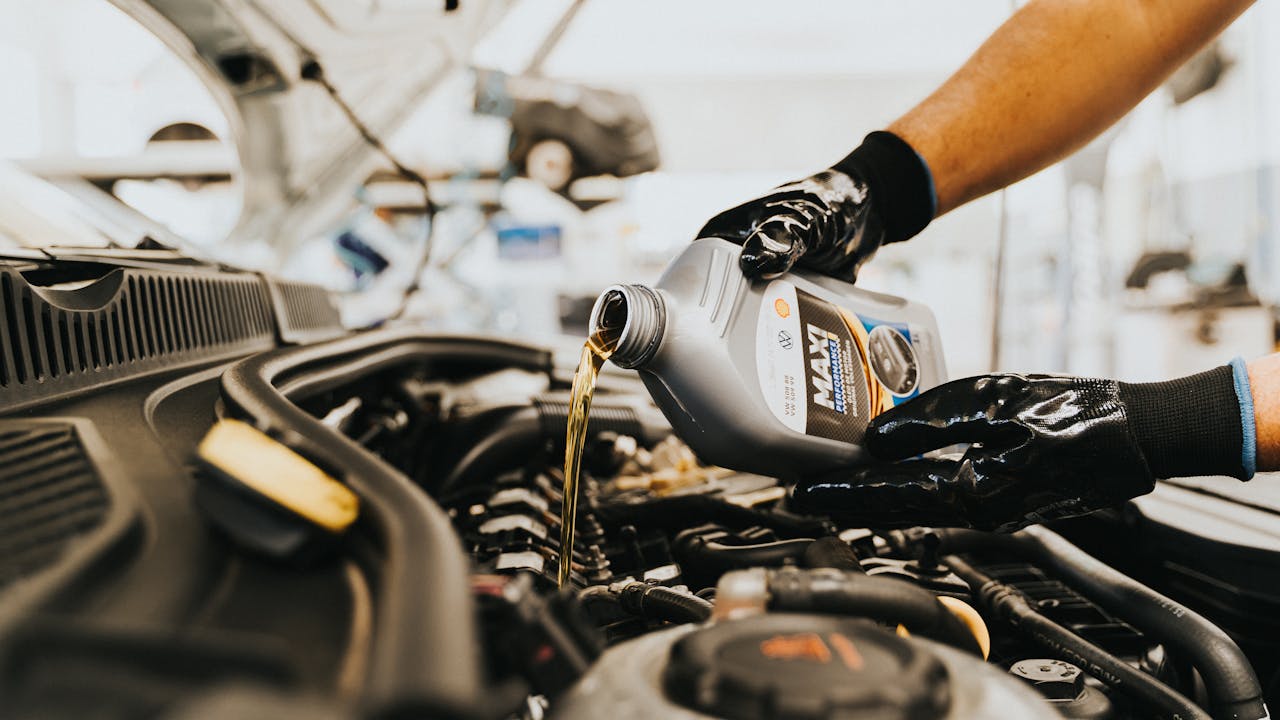
- Filters and oil — quality filters meet or exceed OEM; see our oil change service.
- Suspension — premium struts and bushings restore ride quality at a fair price; pair with an alignment.
- Batteries, belts, and sensors — name-brand aftermarket is reliable and well-priced.
How we choose parts for your car
We weigh four things: what the part does, your vehicle, how long you plan to keep it, and your budget. For European cars we lean on OE suppliers; for everyday repairs we pick the brand that gives you the best value without cutting safety. We’ll always lay out the options and our recommendation — and explain why. No mystery markups, and yes, we’re happy to discuss parts you’ve sourced yourself.
Frequently asked questions
Will using aftermarket parts void my warranty?
Generally no. Under the U.S. Magnuson-Moss Warranty Act, a manufacturer can’t void your warranty just because you used a quality aftermarket part — they’d have to prove that part caused the failure. For cars under warranty we’ll still talk through the best choice with you.
Are aftermarket parts as safe as OEM?
Quality aftermarket from a reputable maker is just as safe — often these are the same companies that supply the automakers. The risk is with no-name economy parts, which we avoid.
Can I bring my own parts?
In many cases, yes. We’ll let you know if a part you’ve sourced is the right spec and quality, and explain any trade-offs on warranty or labor before we install it.
What’s the difference between OEM and OE parts?
OEM is the part in the carmaker’s box at the carmaker’s price; OE (or OES) is the identical part from the same supplier without the branding — often the better value for the same quality.
Are aftermarket brake pads any good?
The premium ones are excellent — often quieter, lower-dust, and longer-lasting than soft OEM pads, for less money. The key is choosing a reputable brand, not a no-name economy pad.